What an SLA Breach Alert Should Actually Trigger on Your Team
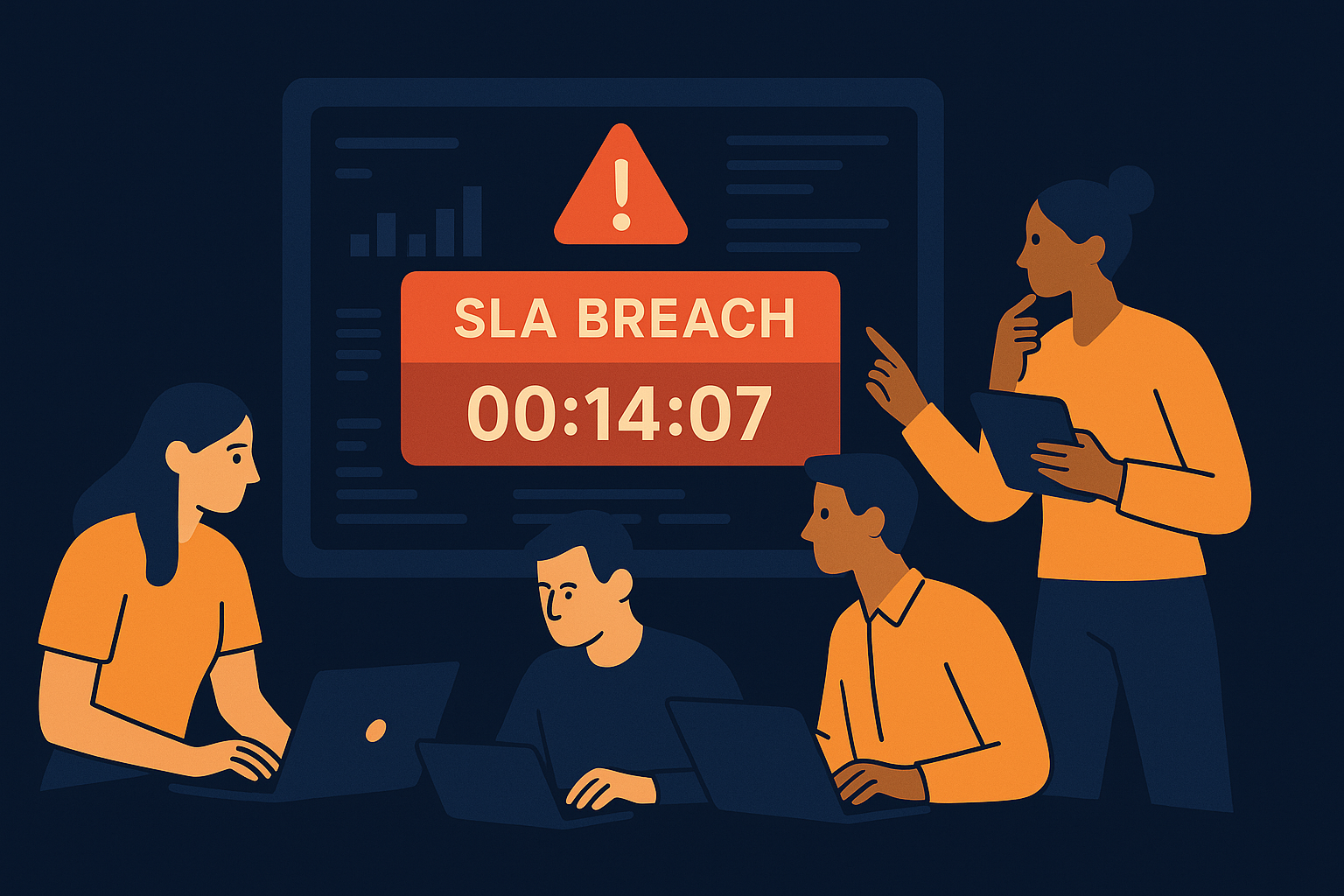
Imagine your support system just flagged an SLA breach alert—the timer has hit zero on a critical customer issue unresolved within the promised timeframe. This moment is pivotal. What your team does next can make all the difference between frustrated customers and regained trust. An SLA breach alert isn't just a notification; it should be a catalyst for precise, coordinated action that goes beyond acknowledgment to meaningful resolution.
Immediate Prioritization and Escalation Protocols
When an SLA breach alert sounds, the first response on your team should be a swift reassessment of the affected ticket's priority. This isn't about just marking it as high priority; it’s about activating clear escalation pathways to ensure the right expertise is applied without delay. Teams often have tiered support levels—leveraging these ensures that complex issues are routed to agents or managers best equipped to resolve them quickly.
It’s crucial that your team has predefined rules for escalation that trigger automatically or are clearly communicated when an SLA breach occurs. This reduces decision-making lag and helps maintain compliance with your service commitments. Remember, the alert is not an endpoint but a signal to mobilize resources effectively.
For example, if a high-severity ticket breaches its SLA, your system might automatically escalate the issue to a senior specialist or team lead who has the authority to fast-track solutions or allocate additional resources. This concrete action prevents tickets from stagnating and demonstrates proactive management of customer concerns.
A common mistake teams make is delaying escalation, hoping the original agent can resolve the issue despite time running out. This often results in further delays and customer dissatisfaction. Training your team to recognize breach alerts as triggers for immediate escalation helps avoid this pitfall and keeps resolution timelines on track.
Analyzing Root Causes to Prevent Recurrences
Beyond the immediate fix, an SLA breach alert should prompt your team to investigate why the deadline was missed. Was it due to understaffing, inefficient workflows, or perhaps technical glitches? Understanding these root causes can inform process improvements and training needs, reducing the risk of future breaches.
This analysis should be a collaborative effort involving frontline agents and supervisors, supported by data from your SLA tracking system. Regular reviews of breach incidents help your team identify patterns and implement targeted changes, aligning with continuous improvement goals.
For instance, if multiple SLA breaches are traced back to a specific product line or time of day, your team can investigate whether additional training, staffing adjustments, or workflow automation might alleviate those pressure points. The key is to treat breach alerts as data points that guide smarter operational decisions rather than one-off failures.
It’s also helpful to document each breach incident with detailed notes on contributing factors and corrective steps taken. Over time, this knowledge base becomes invaluable for onboarding new team members and refining SLA policies based on real-world insights.
Communicating Transparently with Customers
An SLA breach inevitably impacts customer perception. Prompt, transparent communication reassures customers that their concerns are taken seriously. When your team receives a breach alert, they should update the affected customer proactively, explaining the situation, the steps being taken, and adjusted timelines if necessary.
This approach can mitigate frustration and help preserve customer relationships. Encouraging agents to personalize these communications enhances trust and demonstrates accountability, critical factors in customer retention.
In practice, this might mean sending a personalized email or message shortly after the breach alert, rather than waiting for the customer to follow up. A message that acknowledges the delay, offers a sincere apology, and outlines the corrective action your team is taking helps maintain goodwill and sets realistic expectations.
Neglecting this step is a common mistake; silence can escalate dissatisfaction faster than the missed SLA itself. Training agents to view breach communication as part of the resolution process creates a more empathetic support experience, which can turn a negative into a retention opportunity.
Leveraging AItocha CX for Real-Time SLA Monitoring and Response
Tools like AItocha CX provide integrated SLA tracking with breach alerts, offering your team real-time visibility into ticket statuses. This immediate insight is key to activating the right workflows without delay.
By combining automated alerts with configurable escalation rules and communication templates, AItocha CX helps your team respond decisively the moment an SLA breach risk emerges. It’s not about replacing human judgment but enhancing it with timely data and streamlined action paths.
- Automatic SLA breach notifications to the team
- Configurable escalation protocols tied to alert triggers
- Integrated communication tools for customer updates
- Analytics dashboards for root cause and trend analysis
- Collaboration features to coordinate multi-agent responses
For example, an alert might immediately notify a team leader via the integrated dashboard and mobile app, prompting a quick reassignment or intervention. The tool’s analytics can then help review historical breach incidents to refine SLA targets and resource allocation, making your support more resilient over time.
Additionally, AItocha CX's ability to unify multiple communication channels into a single inbox ensures no SLA alert gets lost among emails, chat, or social media tickets. This cohesion allows your team to keep consistent response times and prioritize effectively across platforms.
Turning Alerts into Opportunities for Team Growth and Customer Trust
Each SLA breach alert should be viewed as more than a warning—it’s an opportunity. When your team responds effectively, they reinforce their commitment to service excellence and build stronger customer trust. Internally, breaches can highlight training gaps or process bottlenecks, guiding targeted development efforts.
Establishing a culture where SLA breach alerts trigger constructive review rather than blame encourages proactive problem-solving. Over time, this mindset helps reduce SLA violations and enhances overall support quality. Remember, the ultimate goal is not just meeting SLAs but delivering reliable, empathetic support that customers value.
In a practical sense, this might involve regular team meetings that focus on breach alerts as case studies for learning and improvement. Encouraging agents to share challenges and brainstorm solutions fosters ownership and continuous enhancement of support workflows, ultimately benefiting customers and the business alike.
Moreover, celebrating instances where prompt SLA breach responses turned frustrated customers into advocates can motivate the team and reinforce the value of their efforts. Recognizing these successes publicly builds morale and strengthens the team's commitment to excellence.