What to Wear in Your Training Selfies—and Why It Changes Every Photo You Generate
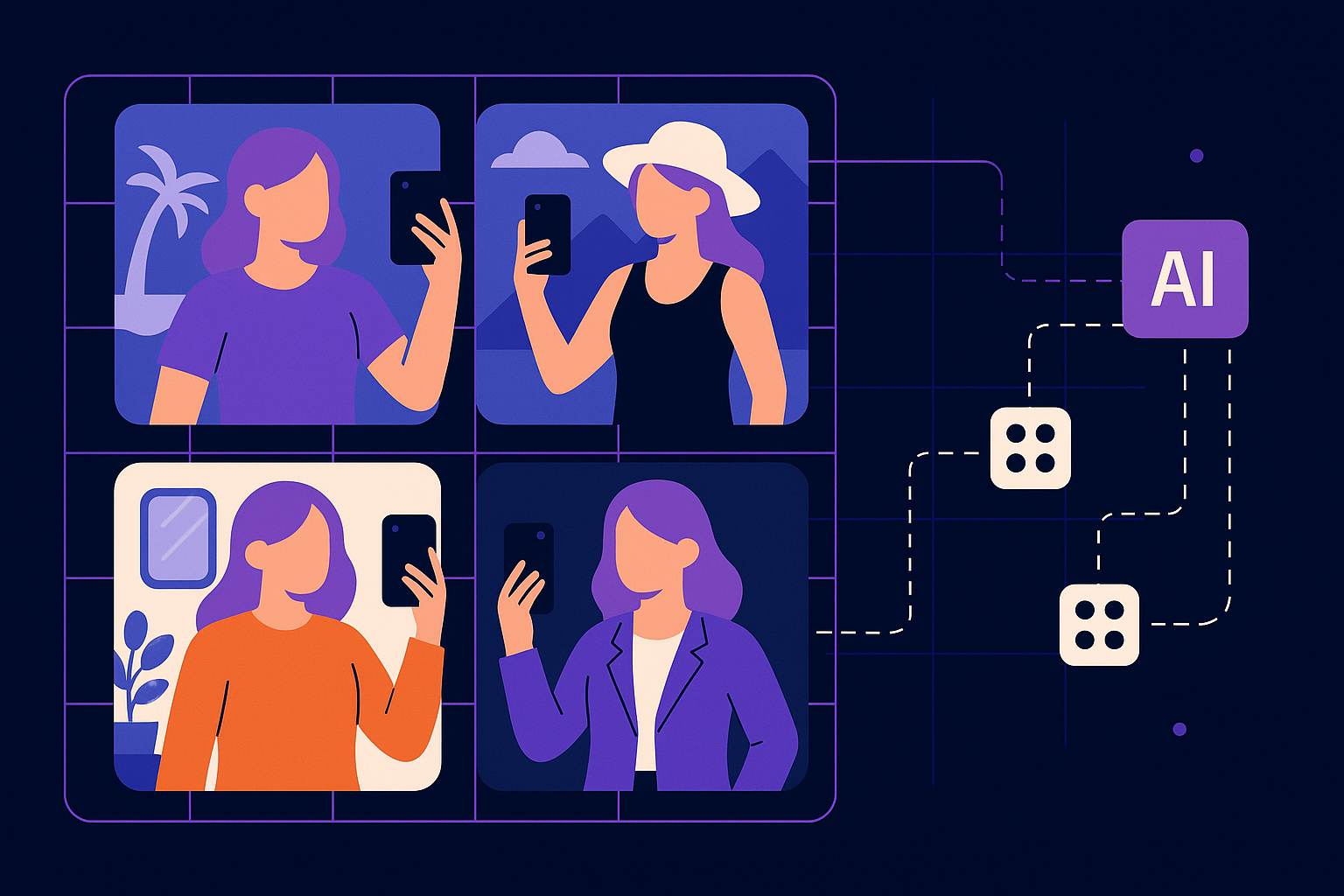
Imagine you’re about to train your personal AI model with 15-30 selfies, each showing a different facet of your style and personality. What you wear in these photos isn't just about looking good—it profoundly shapes the AI's understanding of you, influencing every image it generates afterward. This guide will help you navigate clothing choices for your training selfies and explain why variation matters.
Why Your Outfit Choices Matter in Training Selfies
When you upload selfies to train your private AI model, every detail contributes to the model's grasp of your appearance. Clothing isn’t merely background—it’s a defining feature that helps the AI distinguish your look and context. Wearing the same outfit repeatedly can limit the model’s flexibility, causing generated photos to feel repetitive or constrained. Instead, varying your attire offers the AI more visual cues, enhancing its ability to generate diverse images that still feel authentically you.
Moreover, the AI model learns subtle interactions between your facial features and clothing textures, colors, and styles. This means that the shirt you wore during training might influence how the AI recreates your image with similar outfits later. Paying attention to your wardrobe in training selfies ensures the AI has a robust dataset to draw from when generating new images—capturing your style range and adapting to different scenarios. For example, if you train exclusively in dark colors, the AI might struggle to generate bright, vibrant images, even if that matches your usual look.
How Varying Your Clothing Creates Diverse AI-Generated Photos
Because your AI model is trained on 15-30 selfies that highlight your unique appearance, changing your clothing in each photo helps build a richer dataset. Different outfits introduce variation in color palettes, textures, and styles, which the model uses to produce more nuanced and varied photos. For example, training with both casual and formal attire allows the AI to generate images fitting diverse contexts without losing your likeness.
Without such variation, your AI-generated photos might default to a single style or feel less dynamic over time. By consciously alternating what you wear—ranging from solid colors to patterned fabrics—you empower the AI to reflect your versatility. This is especially useful if you intend to use AItocha Photos for multiple purposes, such as professional headshots, social media profiles, or creative projects. A common mistake is to focus only on your 'favorite look,' but this narrows the range of photos the AI can produce, limiting its usefulness.
Tips for Selecting Outfits to Maximize AI Training Impact
Consider these practical tips when planning your training selfies wardrobe:
- Include a mix of colors and textures to help the model understand how lighting and fabric interact with your features.
- Choose outfits representing different styles you commonly wear, like business casual, sporty, or relaxed looks.
- Avoid overly busy patterns that might distract the AI from key facial details.
- Think about the backgrounds and settings too; contrasting clothing against varied backdrops enhances model robustness.
For instance, wearing a bright red sweater against a neutral background can help the model learn how colors affect your appearance, while a softer pastel blouse might highlight different facial shadows. Also, avoid extreme accessories that may cover your face or distort features, such as oversized sunglasses or hats, since the model needs clear views of your face in diverse contexts. Planning this variety ahead of time will make your training session efficient and effective.
Understanding the Training Process and Its Relationship to Your Wardrobe
Training your private AI model with AItocha Photos involves submitting a set of selfies—typically between 15 and 30—that capture your appearance. The diversity of these photos, especially in terms of clothing, plays a crucial role in how well the AI learns your look. Each outfit provides context, helping the AI differentiate between your features and your attire, ultimately leading to a more reliable and flexible model.
Because the model is specifically trained on your images, it becomes attuned to your unique style nuances. This personalized approach means that variations in your clothing during training directly influence the range of generated photos. If you wear only one outfit style, the AI might struggle to generate images outside that style, limiting your creative possibilities. To illustrate, imagine you trained solely in athletic wear; the AI might not produce convincing images of you in formal settings without additional training photos.
Practical Guidance for Your Training Session and Beyond
When preparing for your training selfies session, allocate time to change outfits thoughtfully. Aim to capture not just different clothing but also varied moods and settings. This variety enriches the training data, making the AI model more adaptable for future photo generation. Remember, the effort you invest now pays off in the form of AI-generated photos that feel fresh and authentic every time.
After training, as you generate new images, you’ll notice why your wardrobe choices matter. Each AI-generated photo can reflect different styles or occasions because your model understands how you look in diverse attire. This flexibility is a core advantage of personalized AI models like those offered by AItocha Photos. Embrace outfit variety during training to unlock the full potential of your personalized AI photo generation experience. Additionally, consider revisiting the training process with new outfits periodically to keep your AI model updated with evolving styles or preferences.