Real-Time Analytics in Feedback: What Metrics Should You Track?
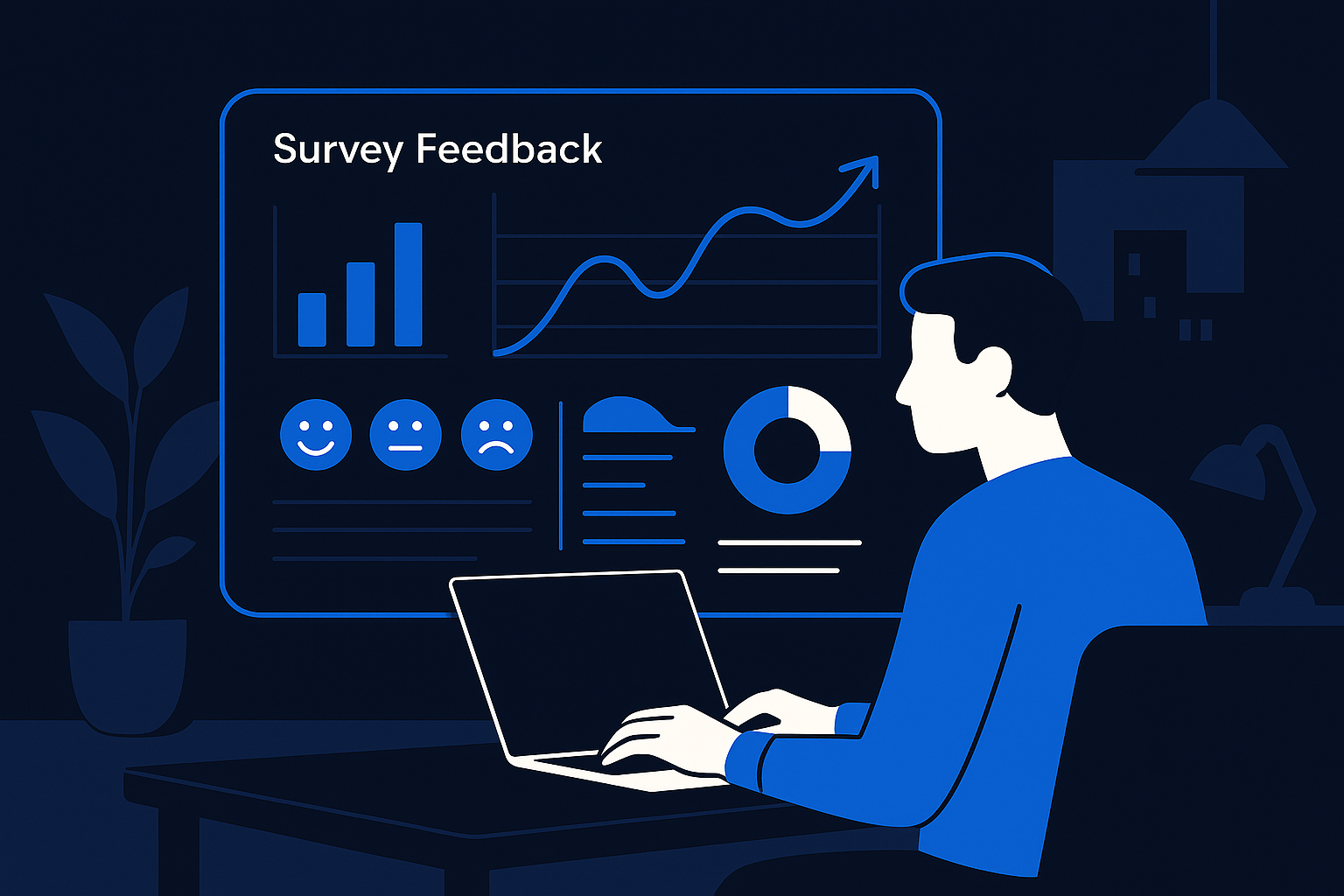
Imagine launching a new product feature and watching your customer feedback pour in within minutes. Your team’s ability to respond quickly depends on tracking the right metrics in real time—knowing not just how many responses you have, but what they actually reveal about customer sentiment and emerging trends. Getting this right goes beyond tallying scores; it’s about interpreting the feedback flow as it happens to guide immediate actions and strategic planning.
Why Real-Time Response Tracking Matters
Real-time response tracking lets you see how many people are engaging with your surveys at any moment, offering an up-to-the-minute pulse on customer input. This visibility is crucial when you need to assess the impact of changes or campaigns quickly. For example, if you’ve just emailed a satisfaction survey after a service interaction, watching responses accumulate in real time helps you identify if outreach is effective or if adjustments are needed.
Moreover, real-time tracking enables rapid identification of unusual patterns—like a sudden drop in ratings or an unexpected surge in negative comments—allowing your team to investigate and act before issues escalate. By continuously monitoring response volumes and timing, you also ensure that your data collection remains on course to meet statistical validity requirements without delay or oversampling. For instance, if you notice a drop-off in responses during certain hours or days, you can adjust your survey invitations or reminders accordingly to maximize engagement.
Understanding Trend Breakdowns to Spot Emerging Patterns
Beyond raw counts, breaking down your survey data into trends helps you grasp how customer opinions evolve over time. This involves tracking shifts in ratings or particular feedback themes that may indicate changing customer priorities or experiences. For instance, a rise in satisfaction related to a new feature could signal its acceptance, while declining scores might suggest usability issues.
Trend analysis in feedback data is not just about spotting increases or decreases but also understanding their context. Correlating feedback trends with marketing efforts, product launches, or seasonal factors provides insight into what influences customer sentiment. For example, feedback trends during a holiday season might differ significantly from other times, highlighting areas needing extra attention. Ignoring such contextual factors can lead to misinterpretation of data and misguided decisions.
Leveraging Sentiment Breakdowns for Actionable Insights
A crucial component of real-time analytics in surveys is the sentiment breakdown—grouping responses into positive, neutral, and negative categories using a rating-based scoring system. This automatic grouping simplifies the complexity of raw feedback, enabling your team to focus on what matters most.
By viewing sentiment segments separately, you can tailor your responses appropriately: praising your team for areas with positive feedback, investigating issues behind negative ratings, and monitoring neutral responses for potential opportunities or risks. For example, a cluster of neutral responses mentioning unclear instructions could prompt a review of your onboarding materials. This approach helps ensure no piece of feedback is overlooked while keeping your focus sharp and your actions targeted.
Key Metrics to Track in Your Feedback Dashboard
When setting up real-time analytics for your feedback system, here are essential metrics to monitor:
- Total number of responses received over time
- Distribution of ratings to identify shifts in customer satisfaction
- Sentiment breakdown showing percentages of positive, neutral, and negative feedback
- Emerging trends in specific feedback themes or keywords
- Response rates linked to specific campaigns or service touchpoints
Tracking these metrics helps you maintain a comprehensive view of customer sentiment while staying alert to changes that require attention. Visual dashboards that update in real time are particularly effective for this purpose, offering intuitive displays that can guide both tactical responses and long-term strategy. For example, a sudden increase in negative feedback on a certain product feature displayed on your dashboard allows you to quickly prioritize improvements or customer outreach.
Common Pitfalls in Interpreting Real-Time Feedback Data
While real-time analytics provide powerful insights, misinterpretation can lead to poor decisions. One common mistake is reacting too quickly to early feedback without considering sample size. Initial responses may not yet represent your entire customer base and can be skewed by highly motivated respondents. Patience and continued monitoring are important to establish reliable trends.
Another pitfall is overlooking the importance of context in sentiment shifts. A temporary surge in negative sentiment could be tied to external factors like a shipping delay due to weather, rather than a product flaw. Combining real-time feedback with other operational data helps to avoid false alarms and focus your efforts effectively. Regularly reviewing feedback patterns over days or weeks balances immediacy with accuracy.
Putting It All Together with AItocha Surveys
AItocha Surveys offers real-time response tracking alongside automatic trend and sentiment breakdowns, giving you immediate visibility into your feedback data. You can watch response volumes grow, identify shifts in customer opinions, and segment sentiments—all within a single dashboard tailored to your needs. For more details, visit the AItocha Surveys product page.
By focusing on these key analytics, your team can respond faster to customer needs, improve satisfaction, and make smarter business decisions. Real-time insights transform feedback from a static report into a dynamic resource that supports continuous improvement. Start tracking the right metrics today to harness the full value of your customer voices.