Why Review Platforms Don’t Allow Automated Posting, and What That Means for You
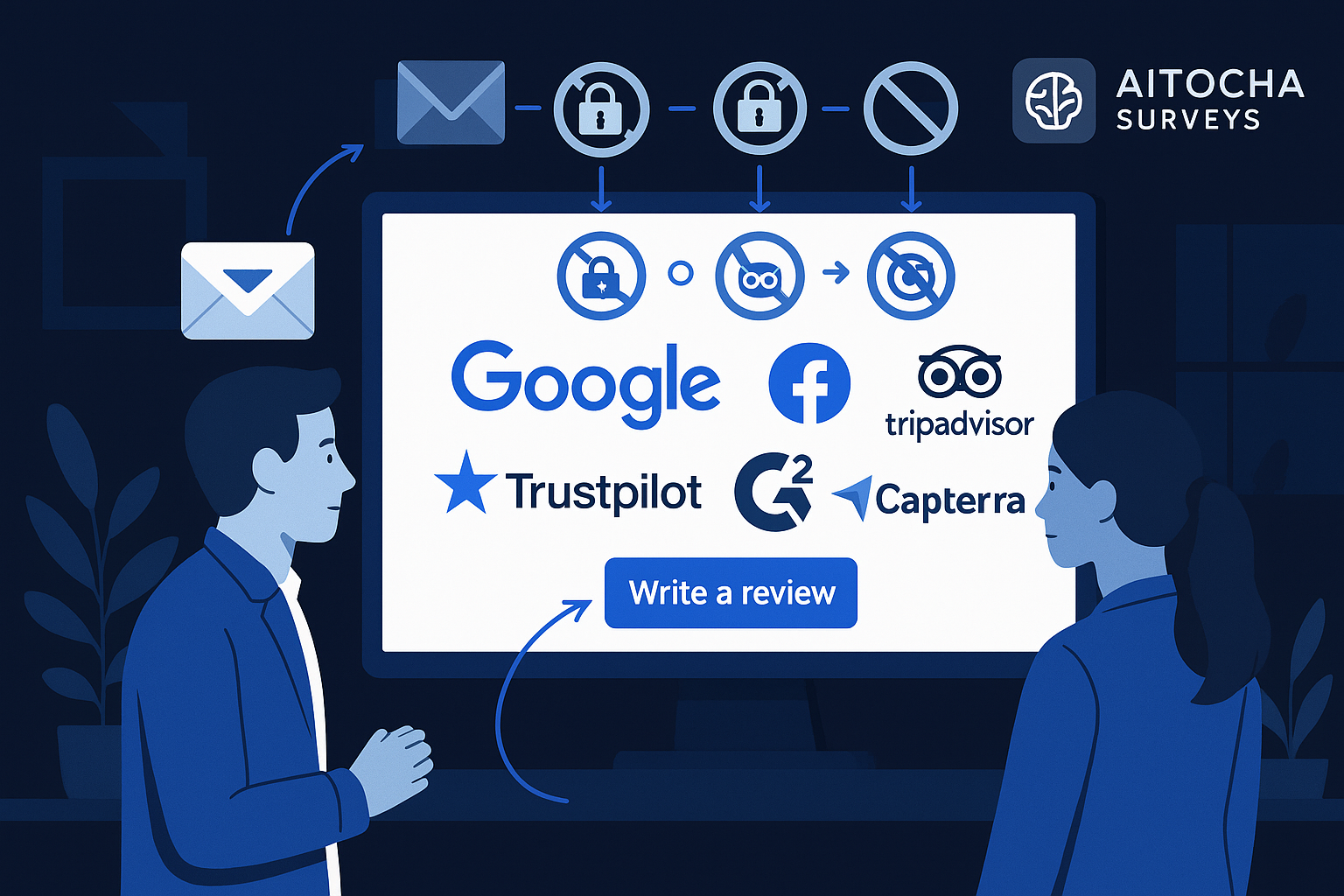
Imagine your team sending out hundreds of review requests and expecting them to appear automatically on platforms like Google or TripAdvisor. In reality, that automatic posting is rarely possible due to strict policies by review platforms. Instead, customers usually receive a direct review link by email and are responsible for writing their own review. This manual step ensures authenticity and preserves the integrity of online feedback.
Why Automated Posting Is Generally Prohibited
Most major review platforms disallow businesses from posting reviews automatically on behalf of customers. This restriction exists primarily to prevent fraudulent reviews and maintain trustworthiness. When reviews are written directly by customers after receiving a direct review link, the platform can better verify authenticity and compliance with their policies. For example, Google and TripAdvisor require that customers submit reviews themselves via a unique link sent by the business.
Automated posting risks flooding platforms with insincere or incentivized reviews, which can damage a business’s reputation and violate platform rules. By requiring manual review submissions, platforms encourage genuine feedback and reduce the chance of manipulation. This means your survey or feedback tool needs to facilitate customer-driven review writing rather than posting reviews automatically. For instance, if a business attempted to automatically post reviews without customer involvement, the platform might detect suspicious activity and penalize the listing.
A common mistake businesses make is trying to shortcut this process with automated bots or scripts, which often results in account suspension or removal of reviews. The manual submission step is a safeguard for both businesses and customers, ensuring reviews reflect real experiences and voluntary opinions.
What This Means for Your Review Collection Strategy
Since direct automated posting isn’t allowed on platforms like Google or TripAdvisor, your approach should center on empowering customers to leave reviews themselves. This means providing clear, user-friendly invitations with a direct link that guides customers straight to the review submission page. Your team’s role is to engage customers during or after their experience and make it easy for them to share feedback voluntarily.
In practice, this could look like sending a personalized email shortly after a purchase or service visit that includes a direct review link and a simple call to action. For example, a restaurant might send an email thanking diners and inviting them to share their experience on TripAdvisor via the provided link. This respects platform policies and encourages authentic customer engagement rather than forcing or automating the process.
For platforms such as Facebook and Trustpilot, limited automated posting is available but only when connected properly through APIs. Even then, it’s important to ensure that customers genuinely consent and actively participate in the review process. Understanding these nuances helps you set realistic expectations and avoid any attempts to bypass platform guidelines. Attempting to automate posting on unsupported platforms can jeopardize your business’s credibility and digital presence.
How AItocha Surveys Supports Authentic Review Requests
AItocha Surveys is designed to respect these platform policies by facilitating direct review link emails to customers. Instead of posting reviews automatically, the product sends a unique link inviting customers to write their reviews themselves. This approach aligns with both platform requirements and best practices for honest feedback collection.
In a typical workflow, after a customer completes a survey relevant to their purchase or experience, AItocha Surveys automatically sends an email with a direct review link to the chosen platform. This ensures the customer is in control of what they write and posts, complying with platform rules and encouraging trust from future reviewers and customers.
The system includes automatic rating-based scoring that categorizes responses clearly on your analytics dashboard, helping your team monitor sentiment internally without interfering with the review invitation process. Every respondent who opts in gets the chance to leave a public review, regardless of their rating, which complies with FTC guidelines and Google policies. This means negative feedback triggers internal alerts for remediation without limiting the customer’s ability to share their honest opinion publicly.
Navigating Platform Policies: What You Can and Cannot Do
It’s crucial to recognize which platforms allow certain levels of automation and which strictly require manual review posting by customers. For example, Google, TripAdvisor, G2, and Capterra insist on manual review submission through emailed direct links. Facebook and Trustpilot offer some automated posting options but only under specific conditions and connections.
Attempting to circumvent these rules by automating posting where it’s prohibited can result in penalties such as removal from search results or posting bans. For instance, if your tool tries to auto-post to Google without a direct customer action, your Google My Business account could be flagged, harming your online visibility. Respecting each platform’s unique policies is essential to maintain a good standing and avoid disruptions.
Avoid trying to solicit reviews on platforms that prohibit review collection, such as Yelp, which explicitly asks businesses not to request reviews. Ignoring these rules can result in penalties or removal from the platform. Instead, focus your efforts on platforms that support review invitations via direct links sent through tools like AItocha Surveys. This targeted approach maximizes your review presence where it truly counts.
Best Practices for Encouraging Customer Reviews Within These Constraints
Here are actionable tips to maximize your review collection while respecting platform policies:
- Send direct review links via email immediately after service or purchase to capture customer sentiment while fresh
- Make review invitations personal and easy to understand, emphasizing the value of honest feedback
- Use AItocha Surveys to automate the sending of review requests without automating the posting itself
- Monitor your dashboard for rating-based insights to quickly address any negative feedback internally
- Ensure that every customer who opts in receives the invitation regardless of their satisfaction level, maintaining transparency
Beyond sending invitations, consider timing and frequency carefully. Sending a follow-up reminder after a few days can boost response rates but avoid excessive messaging that might annoy customers. Also, integrating your review requests with your customer relationship management processes ensures feedback loops are part of your daily operations rather than an afterthought.
By following these practices, your team fosters trust with customers and review platforms alike, leading to more meaningful and compliant feedback collection. Getting started with AItocha Surveys takes about five minutes and can streamline your review invitations within the boundaries set by major platforms.