What Consent-Based Review Invitations Mean in Practice
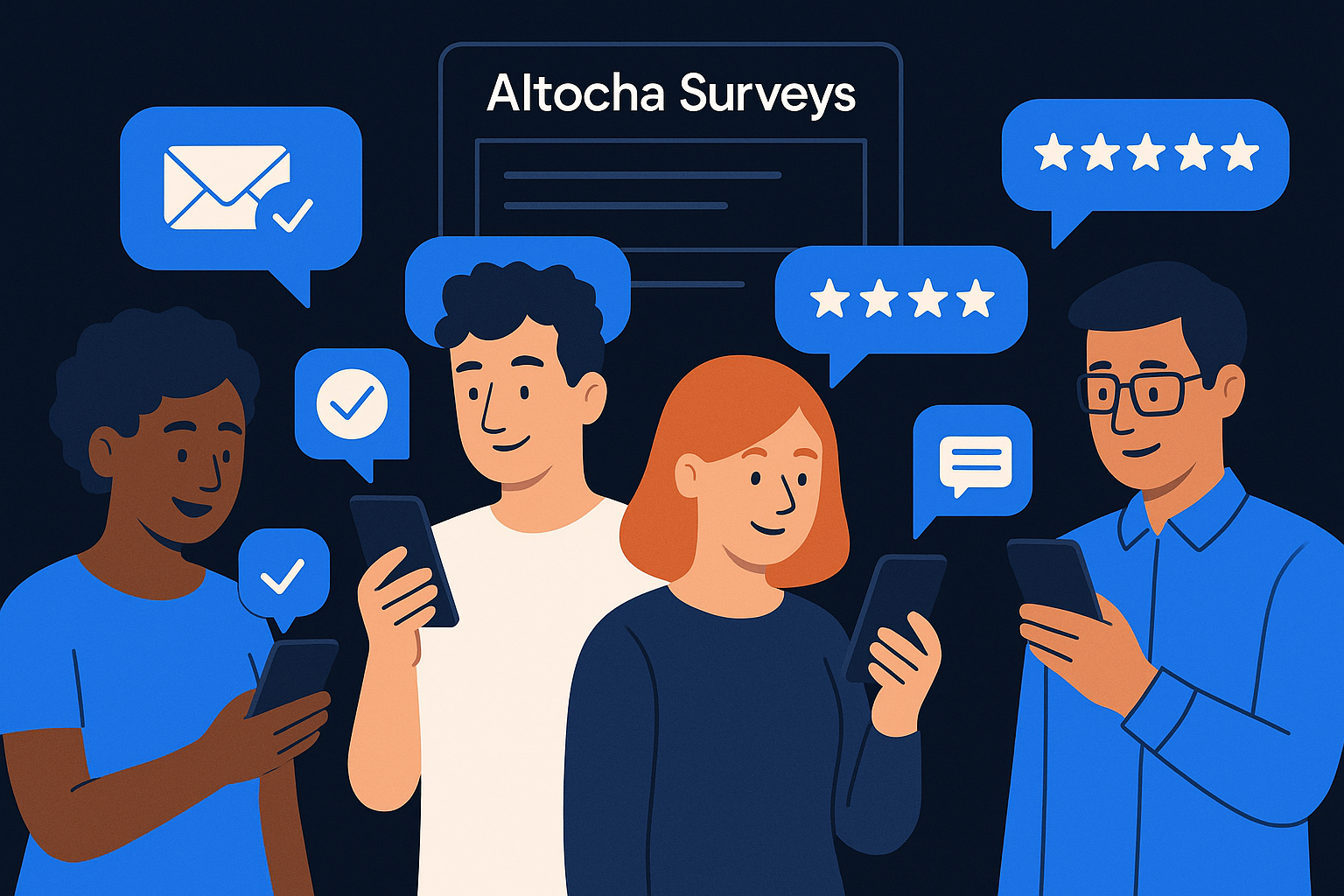
Imagine sending out hundreds of review invitations after a recent product launch, ensuring every single customer has the opportunity to share their experience. In practice, this approach is what "consent-based" review invitations stand for—giving respondents control to opt in and express their views candidly. Unlike filtered or selective methods, every customer who interacts with your service is invited to contribute feedback, creating a richer and more genuine dataset for your team to analyze.
The Foundation of Consent-Based Invitations: Opt-In and Genuine Responses
At the heart of consent-based review invitations is the principle that respondents choose to participate on their own terms. This means your customers aren't pushed or filtered based on their rating or sentiment; they willingly opt in and write their review in their own words. This leads to authentic feedback that reflects true customer experience without influence or pressure. By allowing open-ended responses, you gather nuanced insights that numeric ratings alone can't provide.
This approach respects customer autonomy and builds trust, as individuals feel their voice matters genuinely and isn't being manipulated. It also aligns with best practices and guidelines from major platforms and regulatory bodies, emphasizing transparency and fairness in review solicitation.
In practical terms, this means that when you send a review invitation, the message clearly states that participation is voluntary and that customers can share whatever feedback they wish. For example, a customer who had a mixed experience might choose to detail both positive and negative aspects, providing valuable context that star ratings alone can’t capture. This openness encourages honesty and can help uncover areas for improvement that might otherwise go unnoticed.
Inviting Every Respondent: Why No Rating Filter Matters
One critical aspect of consent-based invitations is that every respondent is invited to leave a review regardless of their rating. Unlike gated review strategies that only encourage feedback from satisfied customers, this method complies with policies from platforms like Google and FTC guidelines, which require unbiased requests.
Inviting all respondents ensures you capture a full spectrum of experiences. While it might seem counterintuitive, customers who had positive experiences tend to engage more with review requests, naturally balancing the feedback pool. Additionally, low ratings trigger internal alerts that prompt your team to address issues promptly, improving overall service quality without any reviews being filtered or hidden.
A common misunderstanding is assuming that inviting everyone will flood your public reviews with negative feedback. In practice, because of the opt-in nature, customers who are satisfied are more motivated to leave reviews, while those who had less positive experiences may opt out or provide direct feedback privately. This dynamic helps maintain a balanced and authentic review presence without manipulating who sees the invitation.
For example, a hotel might send review invitations to all guests after checkout. Even if a few guests had issues, inviting everyone ensures compliance and transparency. Those who had great stays are more likely to respond publicly, while those with concerns can be flagged internally for follow-up, improving service recovery and customer satisfaction.
Transparency Through Automatic, Rating-Based Scoring
Once your customers submit reviews, "automatic" rating-based scoring helps organize feedback within your analytics dashboard. For example, star ratings can be grouped as positive or negative based on clear thresholds, such as 4-5 stars indicating positive sentiment. This transparent system enables your team to spot trends without relying on opaque algorithms or complex AI interpretations.
Importantly, this scoring does not decide who gets invited for reviews; it is applied after responses are gathered to assist with categorization and reporting. This approach maintains the integrity of the consent-based invitation process while providing actionable insights for your business.
In practice, this means your team can quickly filter feedback by rating categories to identify areas needing attention or celebrate successes. For example, sorting all 1-2 star reviews allows your customer care team to prioritize follow-ups. At the same time, 4-5 star reviews can be highlighted for marketing or social proof purposes. This straightforward categorization helps turn raw feedback into clear, actionable information without any guesswork or hidden processing.
Avoiding complex AI or sentiment analysis in this step also ensures transparency. Your team can trust that the scoring is simply based on the numeric rating provided, making the process easier to explain to stakeholders and maintain compliance with platform rules.
Practical Benefits: Encouraging Authentic Feedback at Scale
Using consent-based review invitations, you can collect genuine customer opinions at scale without restricting who participates. This openness reduces bias, gives your team a comprehensive view of customer satisfaction, and creates opportunities for meaningful engagement.
Imagine a support team managing multiple channels receiving automatic alerts for lower-rated reviews, allowing them to follow up in real-time. Meanwhile, positive reviews contribute to your public reputation organically. This balanced approach supports continuous improvement and authentic brand representation.
- Every customer is invited without rating-based filters.
- Respondents opt in and write reviews in their own words.
- Review invitations comply with platform policies and FTC guidance.
- Automatic rating-based scoring organizes feedback transparently.
- Internal alerts highlight low ratings for prompt action.
This method also minimizes the risk of reputation damage caused by artificially filtering out negative reviews, which can backfire if discovered. Instead, your business demonstrates integrity by openly inviting all feedback and responding proactively to concerns. Over time, this builds stronger customer relationships and a more resilient brand image.
For teams, managing large volumes of feedback becomes easier because every response is accounted for and can be routed appropriately, rather than guessing which customers to survey based on past ratings. This clarity in process helps avoid common mistakes like selectively soliciting reviews or unintentionally biasing data, which can skew insights and harm decision-making.
Getting Started with Consent-Based Invitations Using AItocha Surveys
If you're looking to implement this approach, the Surveys product page offers a straightforward way to set up your invitations without complex configurations. The system ensures every respondent is invited after their interaction, with clear options to opt in and provide their own written feedback. AItocha Surveys
Getting started typically involves connecting your customer database or sales system to automatically trigger invitations based on customer activity, like a completed purchase or service appointment. By automating this process, your team can focus on engaging with the feedback rather than manually sending requests or filtering respondents.
This transparency in process also means your customers recognize the authenticity of the requests. For instance, including clear messaging about consent and privacy can increase participation rates, as people feel assured their feedback is valued and handled responsibly. Over time, this encourages a culture of open dialogue between your business and its customers.
By embracing consent-based review invitations, you foster transparency and trust with your customers while gathering the insights you need to improve your products and services effectively. This approach makes reviewer engagement more authentic and meaningful, benefiting both your team and your customers in the long run.