RBAC and Audit Logs: What Enterprise-Ready Support Actually Requires
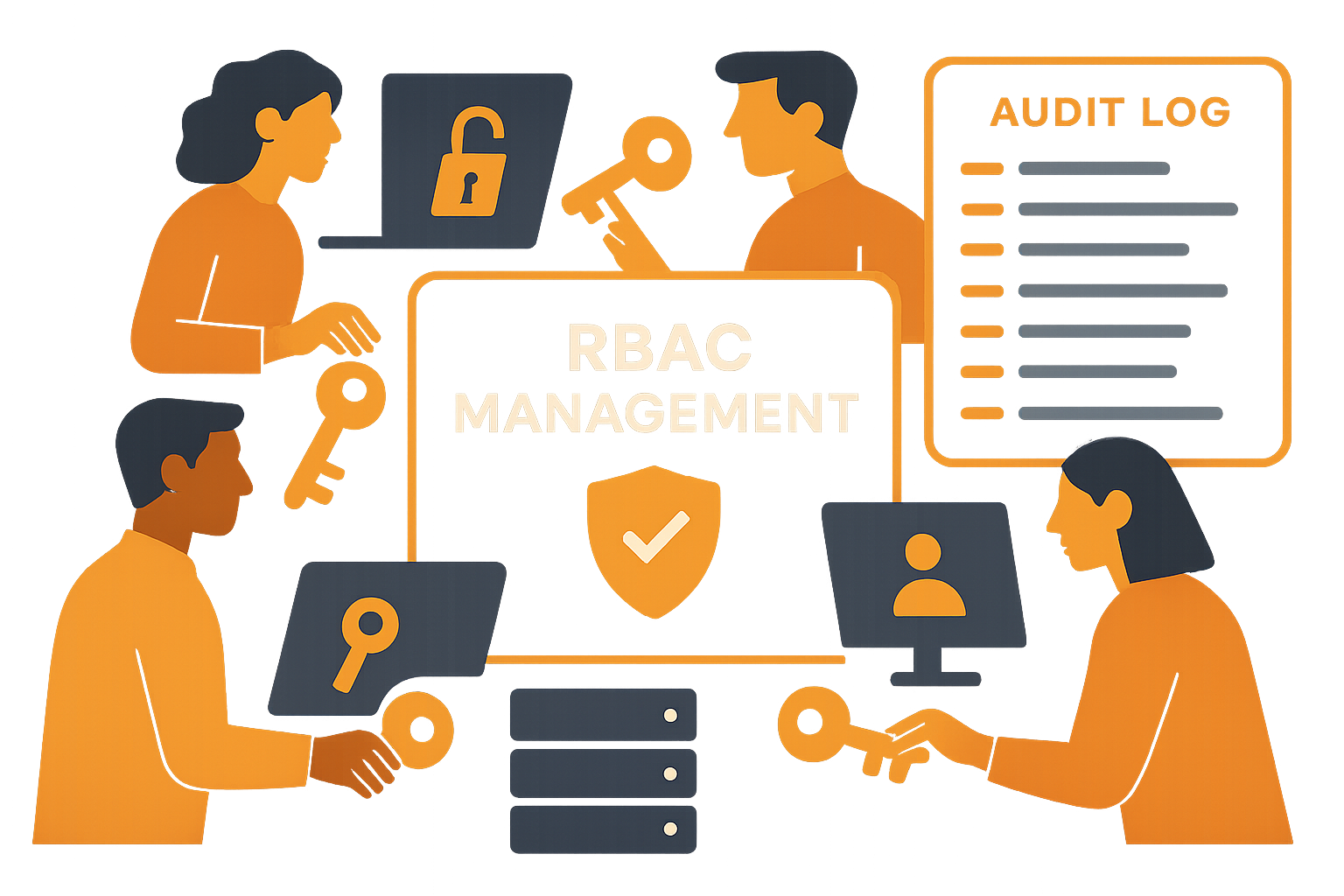
Imagine your support team handling sensitive customer data across multiple platforms. Without tightly controlled access, anyone could view or modify critical information, leading to compliance risks and security breaches. This is where role-based access control (RBAC) and audit logs become indispensable tools for enterprises striving for secure, accountable operations.
Understanding Role-Based Access Control for Enterprise Support
Role-based access control (RBAC) is a framework that restricts system access to authorized users based on their roles within an organization. Rather than granting permissions on an individual basis, RBAC assigns permissions to roles, and users inherit those permissions through their role assignments. This approach reduces the risk of excessive privileges and simplifies permission management, especially as teams grow.
In an enterprise support context, RBAC allows you to ensure that agents, managers, and administrators each have access only to the data and tools necessary for their responsibilities. For example, a frontline support agent might view customer tickets but lack the ability to modify user account settings, while a support manager could have broader access to configuration and reporting features. This granular control helps prevent unauthorized actions and supports compliance with regulatory standards.
The Critical Role of Audit Logs in Compliance and Security
Audit logs provide a detailed record of system activities, including user actions, access events, and configuration changes. They are essential for tracking accountability and investigating incidents. For enterprises, maintaining comprehensive audit logs is often a requirement for compliance standards such as SOC 2, which mandates strict controls over data security and monitoring.
Incorporating audit logs into your support platform enables your team to review who accessed what data and when, which is invaluable for detecting suspicious behavior or unintended errors. These logs also facilitate accountability by documenting the chain of actions taken during support interactions. Without reliable audit logging, proving compliance and conducting forensic analysis can become challenging and time-consuming.
Why Enterprise-Ready Support Demands Integrated RBAC and Audit Logs
Simply having RBAC and audit logs as separate features is not enough for enterprise readiness. Effective support systems must tightly integrate these capabilities to enforce security policies and provide comprehensive visibility.
When RBAC controls are properly aligned with audit logging, every permission granted corresponds to monitored actions. This integration means that if a user performs an action outside their role’s scope, it can be immediately flagged and traced. Enterprises benefit from this synergy by reducing insider threat risks and ensuring that security policies are consistently applied across the support environment.
Key Features to Look for in Enterprise-Grade RBAC and Audit Logging
Selecting the right platform to manage RBAC and audit logs is crucial. Here are some features your enterprise-ready support solution should offer:
- Fine-grained role definitions to cover all organizational functions
- Real-time audit logs that capture detailed user actions and system changes
- Easy-to-use interfaces for assigning roles and reviewing audit data
- Compliance alignment, such as SOC 2 readiness, to support audits and certifications
- Scalable architecture to handle growing teams and complex permission sets
These features empower your security team and support managers to maintain strict control over access and create a clear trail of activity. This is invaluable both for everyday operational security and during formal compliance assessments.
How AItocha CX Supports Enterprise-Ready RBAC and Audit Logging
The AItocha CX platform is designed with enterprise support needs in mind, incorporating robust role-based access control and SOC 2-ready audit logging. By implementing configurable roles, AItocha CX lets you tailor access permissions precisely to your organizational structure, ensuring users only see and modify what they’re authorized to handle.
Meanwhile, its comprehensive audit logs keep a detailed record of all user interactions and system events. This means when your team reviews activities or undergoes compliance audits, the information you need is ready and reliable. By combining these features, AItocha CX helps your enterprise support team maintain security, compliance, and operational efficiency.