Product Photography with AI Characters: A Practical Guide for Small E-Commerce
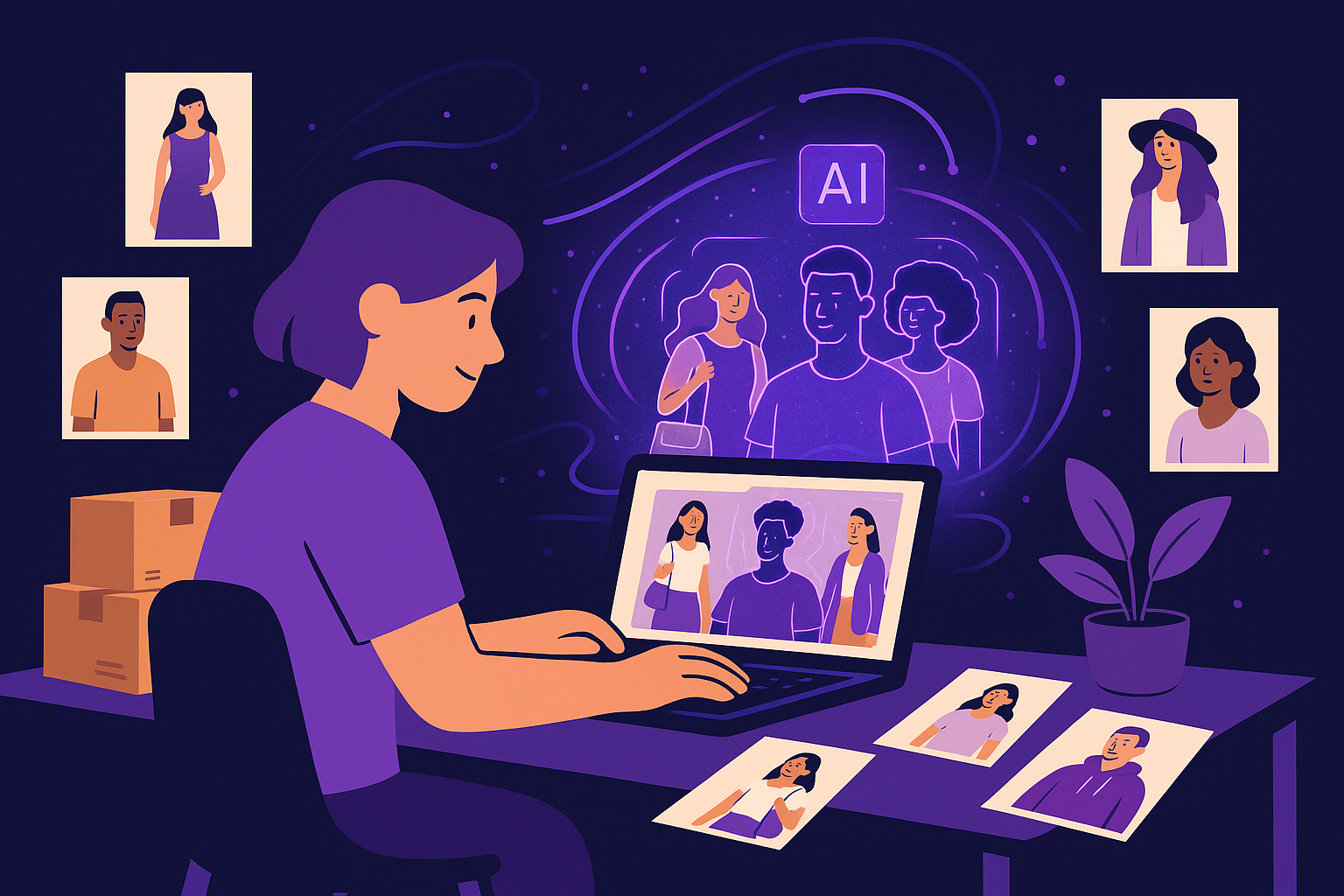
Imagine running a small online store and needing high-quality product photos that stand out but lacking the budget or time for professional photoshoots. AI-generated characters can fill this gap by providing dynamic, customizable representations of your products, enhancing your visual marketing without the overhead of traditional photography.
Why AI Characters Matter for Small E-commerce Stores
Small e-commerce businesses often face tight budgets and limited access to professional photography resources. Using AI characters for product images offers a cost-effective alternative that doesn’t compromise quality. Instead of staging multiple shoots or hiring models, you can generate tailored images that highlight your products in various styles and contexts. This flexibility allows you to experiment with different looks to see what resonates best with your audience.
AI characters also enable quick iteration. When you update your product range or want to test new marketing angles, creating fresh images is as simple as adjusting parameters without rescheduling a photoshoot. Additionally, AI-generated photos can help maintain brand consistency by applying uniform styles or personas across your product catalog.
For instance, a boutique selling handmade jewelry might generate images of AI characters wearing their pieces in diverse settings—casual daytime looks or elegant evening styles—without needing a model shoot for each scenario. This not only saves time but also broadens the appeal by showcasing how a product fits different customer lifestyles.
Getting Started with AItocha Photos for Your Product Images
To begin integrating AI characters into your product photography, start by exploring the AItocha Photos platform. It offers themed packs and customization tools that make it easy to create nuanced images tailored to your products and target customers. The process typically involves selecting a character style, inputting product attributes, and generating images that showcase your items in appealing scenarios.
Since the platform is designed to be user-friendly, you don’t need extensive technical expertise or a design team. This accessibility empowers small business owners to take control of their visual content and update it as often as needed without incurring substantial costs.
For a practical start, you might choose a themed pack that aligns with your customer base—for example, a casual lifestyle pack for streetwear or a professional attire pack for office accessories. These presets help maintain visual coherence and speed up the image creation process. Adjusting details like lighting, pose, or background can further personalize images to fit your brand identity.
Practical Tips for Using AI Characters in Product Photography
When creating AI-generated product photos, consider these tips to maximize their impact:
- Choose character poses and expressions that match your brand personality and target customer expectations.
- Use consistent lighting and backgrounds to maintain a cohesive look across your product gallery.
- Incorporate realistic product placement on the AI characters to highlight features and usability clearly.
- Test multiple variations to find the best-performing images in your marketing channels.
- Ensure images comply with any platform guidelines where you sell or advertise your products.
A common mistake is neglecting to match the AI character's look with your target demographic, which can lead to a disconnect. For example, if your products appeal to young adults, avoid using overly formal or outdated character styles. Instead, tailor the characters’ fashion and expressions to reflect your typical customer, making visuals more relatable.
Similarly, pay attention to how the product fits on the AI character. If showcasing a handbag, ensure it’s positioned naturally on the character’s arm or shoulder, rather than floating unnaturally. Such details enhance authenticity and customer trust in the representation.
Integrating AI-Generated Photos into Your E-Commerce Workflow
Incorporating AI-generated images into your daily operations requires some planning but is quite manageable. Once you have your AI character photos, organize them into folders or product pages aligned with your inventory management system. This setup ensures easy retrieval and updating of images as your catalog changes.
You can also collaborate with marketing or social media teams by sharing the generated assets, enabling them to create consistent campaigns quickly. Automating parts of the image upload process using scripts or plugins compatible with your e-commerce platform can save time and reduce errors.
For example, imagine you run an online fashion boutique. You generate a series of AI character photos featuring new seasonal items. By integrating these images directly into your product listings and promotional emails, you maintain a fresh and appealing store front without the lag time of traditional photography. This rapid update cycle can be especially valuable during high-sale periods or fast-moving trends.
Additionally, maintain clear naming conventions and metadata for each AI-generated image. This detail facilitates searchability and helps team members quickly find the appropriate visuals when launching campaigns or updating websites.
Addressing Challenges and Ethical Considerations with AI Characters
While AI characters offer many advantages, it’s important to be mindful of challenges such as ensuring the images accurately represent the products without misleading customers. Transparency about the nature of AI-generated photos can build trust and prevent confusion.
Moreover, consider the ethical aspects of image generation, including respecting diversity and avoiding stereotypes in character selection and portrayal. Using tools like AItocha Photos responsibly helps maintain your brand’s integrity and appeals to a wider, more inclusive audience.
A practical approach involves selecting a diverse range of AI characters that reflect the variety of your customer base in ethnicity, age, and style. This inclusion can help customers better envision themselves using your products. Equally, avoid exaggerated or unrealistic portrayals that might set false expectations about your offerings.
If you decide to disclose that images are AI-generated, consider a subtle note on your website or product pages. This openness fosters trust and aligns with evolving customer expectations around digital content authenticity.
By thoughtfully integrating AI-generated characters into your product photography, your small e-commerce business can enjoy flexible, cost-effective visuals that support growth and customer engagement.