Post-Purchase Surveys for E-Commerce: What to Ask and When
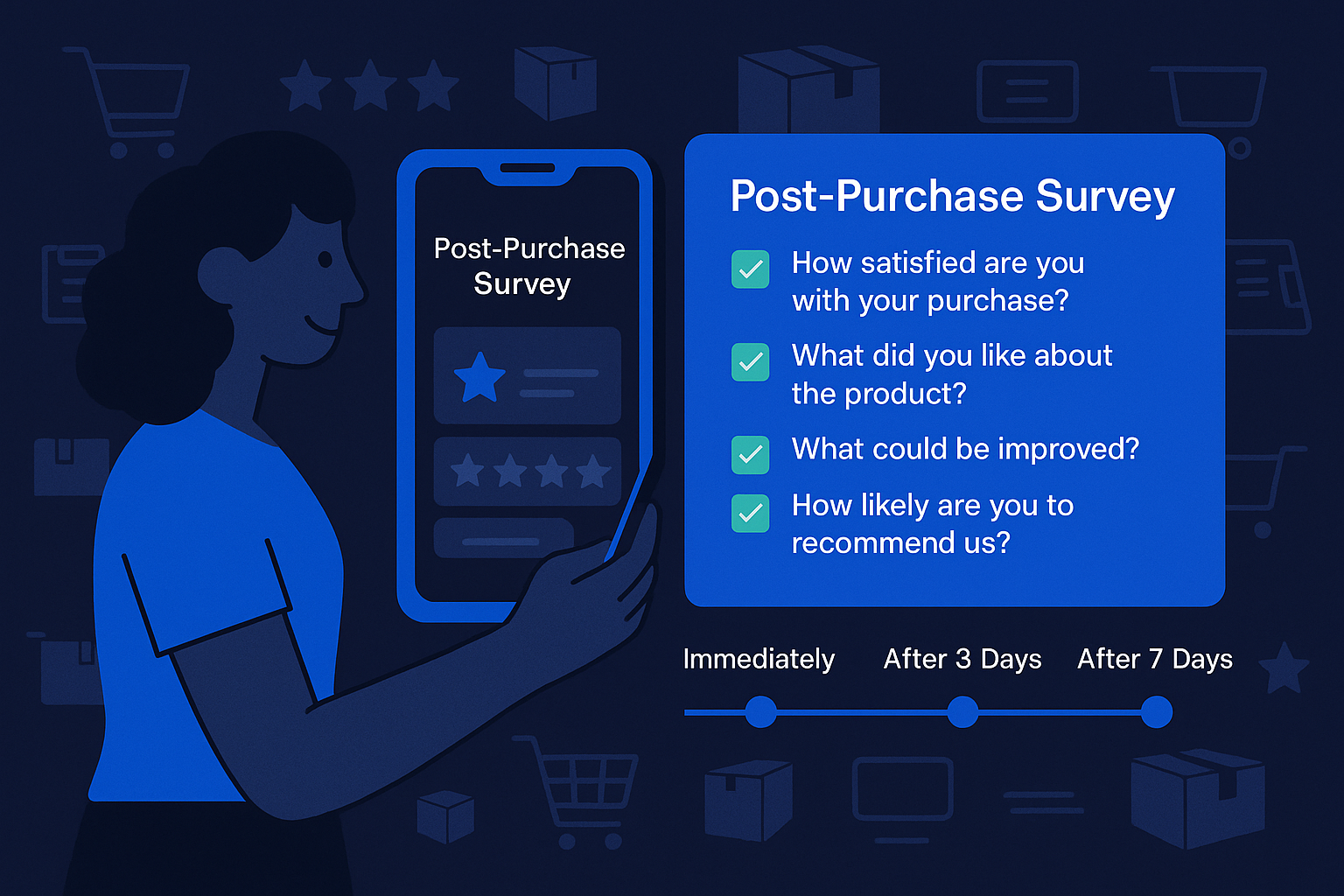
Imagine a customer who has just completed a purchase from your online store. The moment after delivery is crucial — it's when impressions are fresh, and feedback can be most insightful. Yet, many e-commerce businesses struggle with what to ask in post-purchase surveys and when to send them to maximize response rates and usefulness. Getting this right helps you not only improve your products and services but also encourages authentic reviews and repeat business.
Why Timing Matters in Post-Purchase Surveys
The timing of your post-purchase survey can significantly impact the quality and quantity of responses. Sending a survey immediately after purchase might catch customers before they've experienced the product, resulting in low-quality feedback or unanswered questions. Conversely, waiting too long risks losing the customer's interest or forgetting the details of their experience. Typically, the ideal window is shortly after the product has been delivered and used. This allows customers to reflect on their purchase while their experience is still fresh. Depending on the product type and shipping duration, this window may vary from a few days to a couple of weeks. For example, a retailer selling fast-moving consumer goods might send a survey within three to five days, whereas a supplier of larger, more complex items could wait up to two weeks.
Key Questions to Include in Your Survey
Crafting the right questions is essential to collect meaningful insights. Focus on areas that touch on the customer's journey and satisfaction, such as product quality, delivery experience, and customer service. You want to balance open-ended questions that invite detailed responses with quick rating-based queries that facilitate analysis.
- How satisfied are you with the product quality? (star rating)
- Was the delivery on time and as expected? (yes/no, with optional comments)
- How easy was the ordering process? (star rating)
- Did the product meet your expectations based on its description? (yes/no)
- Would you recommend this product to others? (star rating or yes/no)
- Do you have any suggestions for improvement? (open-ended)
Including these types of questions helps you pinpoint strengths and areas to enhance. Rating-based questions enable automatic scoring in your analytics dashboard, grouping responses efficiently without complex sentiment analysis. Open-ended questions, meanwhile, provide valuable qualitative feedback that can reveal unexpected insights.
Balancing Survey Length and Response Rates
Long surveys can deter customers from completing them, while too-short surveys might not capture enough useful information. Aim for a concise questionnaire that takes no more than five minutes to complete. Prioritize questions that directly inform your business decisions and customer satisfaction improvements. To encourage completion, consider offering an incentive like a discount code or entry into a prize draw. Also, ensure your survey is mobile-friendly since many customers will respond on smartphones or tablets. Clear and simple language helps maintain engagement throughout the survey.
Integrating Post-Purchase Surveys with Review Requests
Post-purchase surveys are a natural step before inviting customers to leave public reviews. Once a customer completes the survey and opts in, you can send a review request to platforms like Google, Facebook, or Trustpilot. Importantly, every respondent who agrees to leave a review receives an invitation, regardless of their rating. This approach aligns with Google's policies and FTC guidelines, avoiding review gating or filtering based on satisfaction scores. A low rating generates an internal alert so your team can promptly address concerns, improving customer retention and satisfaction. At the same time, happy customers tend to respond more enthusiastically, increasing positive public reviews. This transparent flow fosters trust and provides a balanced set of insights. If you want to learn how to set up these surveys and link them to review platforms effectively, exploring the AItocha Surveys product page can provide practical guidance and tools tailored to retail and e-commerce use cases.
Best Practices for Survey Deployment in E-Commerce
Deploying your surveys strategically ensures you get actionable feedback without irritating your customers. Here are some recommended practices:
- Send surveys after confirming delivery to ensure customers have received and used the product.
- Use clear and polite messaging that explains the survey's purpose and estimated completion time.
- Limit survey frequency per customer to avoid survey fatigue, especially if they purchase regularly.
- Include rating-based questions for easy analysis and open-ended questions for detailed feedback.
- Make opt-in for public reviews explicit to comply with platform policies and consumer protection rules.
- Monitor feedback regularly and respond promptly to negative alerts to resolve issues.
By following these guidelines, you can gain valuable insights that drive product improvements, increase customer satisfaction, and encourage more reviews, all critical elements for growth in the competitive e-commerce landscape.