How Skill-Based Queues Dramatically Reduce Agent Handoff Time
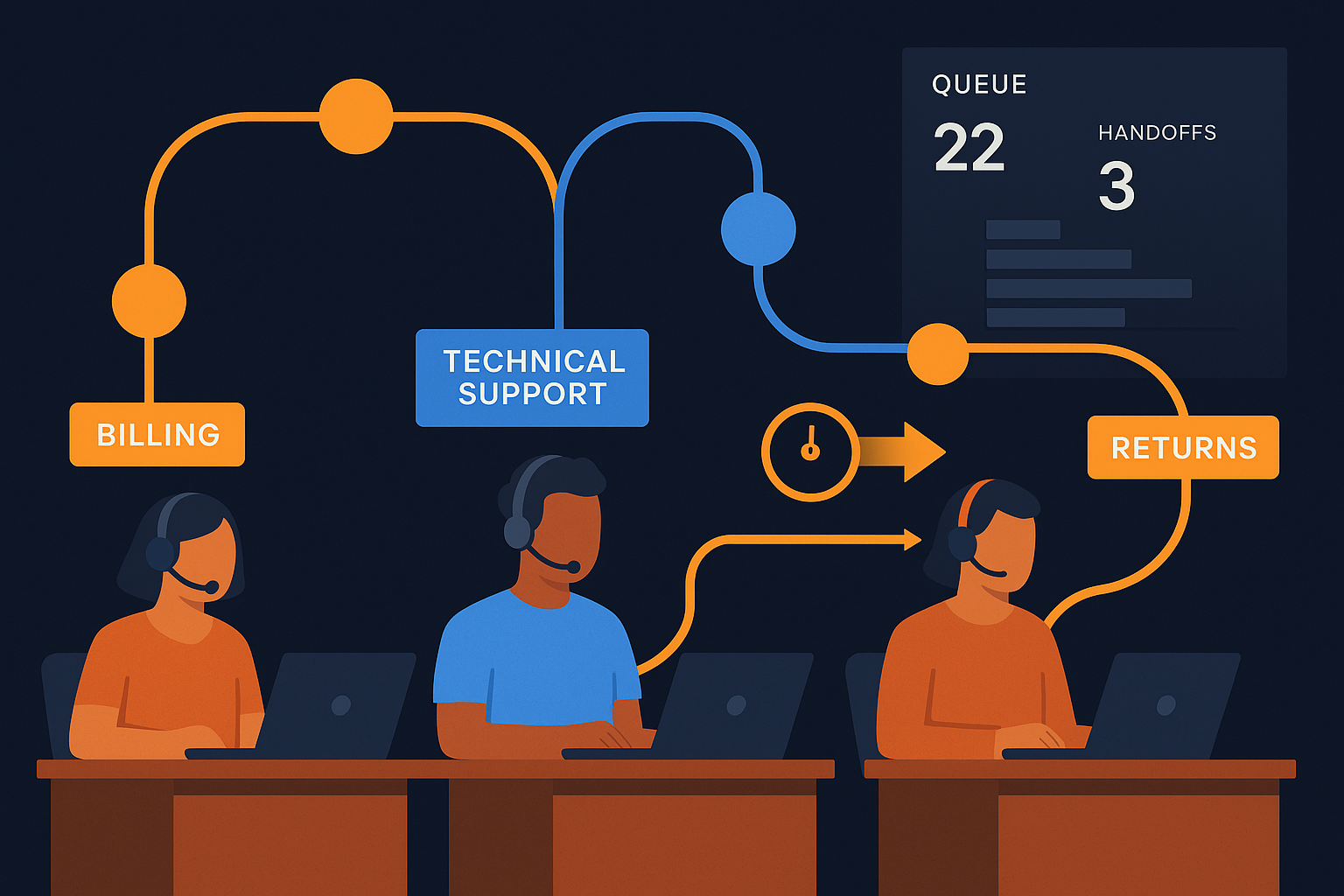
Imagine a busy customer support center where inquiries flood in from multiple channels—calls, chats, emails—creating potential bottlenecks and delays. When agents lack the right expertise for a specific request, handoffs between agents become frequent and time-consuming, frustrating both staff and customers. This is where skill-based queues come into play, offering a structured way to assign tickets directly to agents equipped to handle them, thereby slashing handoff times considerably.
Understanding Skill-Based Queues and Their Role in Support Teams
Skill-based queues group support agents by their expertise areas, such as technical knowledge, billing, or product-specific issues. When a customer request arrives, it doesn’t just enter a general pool but is directed to an agent whose skills match the inquiry's nature. This approach reduces the likelihood that an agent will need to escalate or transfer the request, speeding up resolution time and improving customer satisfaction.
For example, in a software company’s support center, a customer reporting a login issue would be routed to agents specializing in authentication systems rather than a generalist. This targeted assignment not only accelerates the problem-solving process but also minimizes the chain of communication, which often causes misunderstandings or repeated explanations. A common mistake is relying on one general queue where agents pick tickets randomly, which can lead to a high volume of handoffs and longer resolution cycles. Adopting skill-based queues helps avoid this by aligning expertise with requests from the outset.
How Skill-Based Routing Minimizes Agent Handoff Time
Handoff time accumulates when requests bounce between agents who aren’t the best fit to solve them, leading to delays and information loss. Skill-based routing cuts this down by ensuring each inquiry lands in the queue of agents specialized in that area. This reduces unnecessary escalations and transfers.
Consider a customer service team handling returns, product issues, and billing inquiries all in one system. Without skill-based routing, a billing question might first reach a returns specialist who then has to transfer it, adding minutes or even hours before resolution begins. With skill-based queues, the system automatically directs billing questions to agents with that expertise, eliminating this detour. This focused routing not only saves customers from repeated explanations but also lightens the cognitive load on agents who can concentrate on their specialty areas, resulting in faster turnaround and less fatigue.
Benefits Beyond Faster Handoffs: Enhanced Agent Morale and Customer Experience
Reducing handoff times isn’t just about speed—it also impacts the experience for both customers and agents. When agents receive tickets matched to their skills, they are more confident and effective, leading to quicker resolutions and less frustration.
In practice, agents assigned to handle specific types of requests often report higher job satisfaction because they feel competent and valued. This can decrease burnout and turnover, which are common issues in support teams. Customers notice the difference too—they receive clear, knowledgeable answers without being passed from one person to another. This streamlined communication fosters trust and encourages repeat engagement, which is critical in competitive markets.
Implementing Skill-Based Queues with AItocha CX
Setting up skill-based queues can be complex, but tools like AItocha CX simplify the process by automating routing based on agent skills and customer needs. The platform lets you configure skill categories and dynamically assign requests, improving workflow without manual intervention.
For example, you can configure AItocha CX to recognize keywords or issue types from incoming tickets and match them to agents tagged with the appropriate skills. This automation reduces administrative overhead and ensures new tickets don’t sit unassigned while waiting for manual triage. Additionally, the platform provides insights into queue performance, so your team can identify bottlenecks or skill gaps and adjust staffing or training accordingly.
Best Practices for Maintaining Effective Skill-Based Queues
To maximize the benefits of skill-based queues, it’s essential to regularly review and update skill assignments. Agents may develop new expertise over time or shift roles, and customer issues evolve as products or services change. Staying proactive ensures requests are routed correctly and handoff times remain low.
Another key practice is balancing workloads across skill groups. If a certain skill queue becomes overloaded, it can create delays and force transfers despite the routing logic. Monitoring queue lengths and agent availability allows managers to redistribute tickets or temporarily reassign agents to high-demand areas. Training programs to cross-skill agents can also provide flexibility and resilience, reducing the risk of bottlenecks.
- Define clear skill categories relevant to your business (e.g., technical, billing, sales).
- Assess your support agents’ strengths and assign them accordingly.
- Configure your support platform to route incoming inquiries based on these skills.
- Monitor queue performance and adjust skill assignments as needed.
- Provide ongoing training to expand agent capabilities and flexibility.
Following these steps ensures your skill-based queues are effective and continuously improving handoff efficiency. The combination of smart routing and well-prepared agents creates a support environment where customers receive timely answers, and your team experiences less internal friction. Remember, technology like AItocha CX is a powerful enabler, but ongoing strategy and management are crucial to realize the full potential of skill-based routing in reducing handoff times.