How Proactive Triggers Transform Support Widgets into Mini Marketing Channels
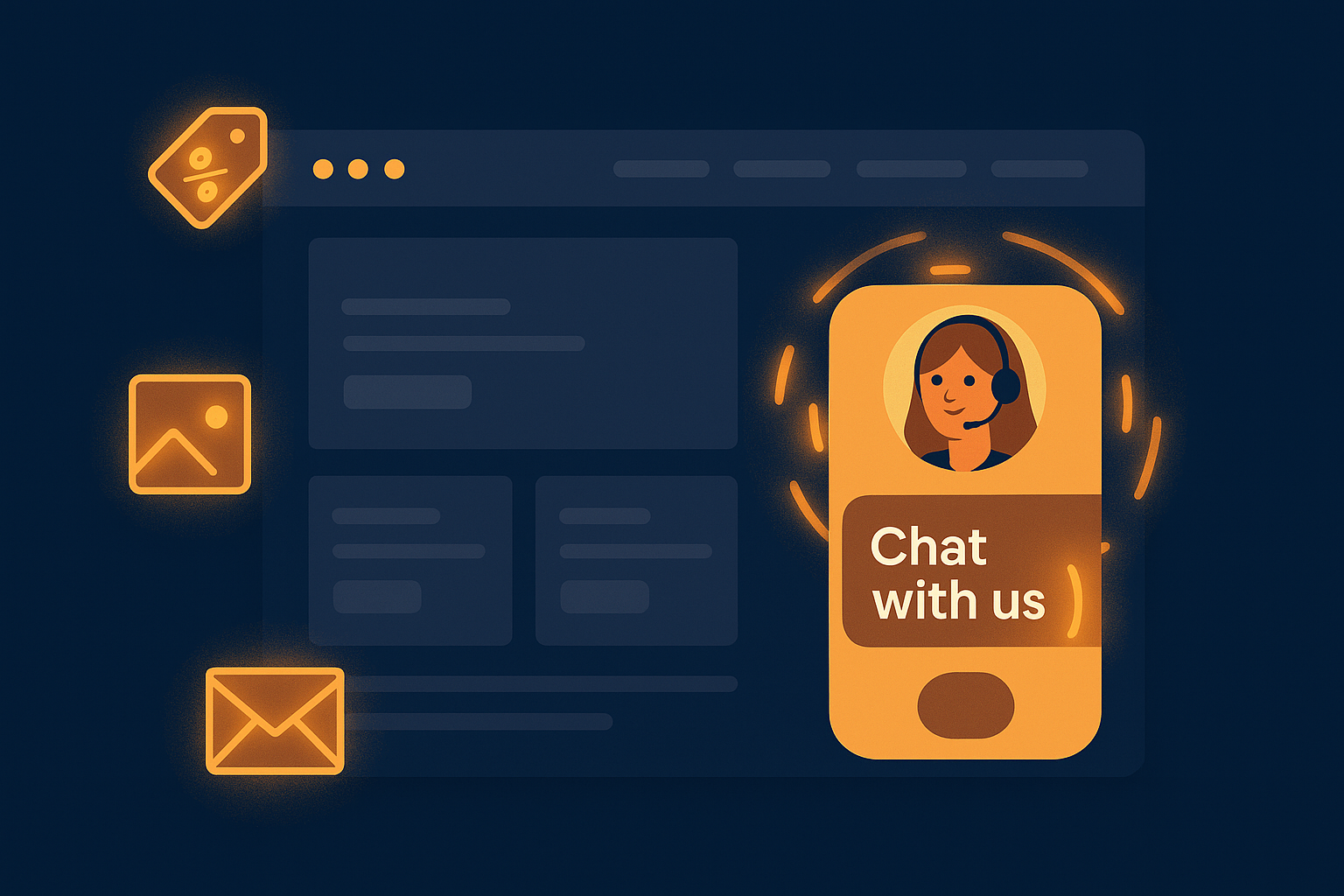
Imagine a visitor landing on your website, hesitating as they browse your product pages. Suddenly, a support widget pops up with a timely message offering assistance or highlighting a special offer. This small interaction can significantly influence the visitor's journey, turning a standard support tool into a dynamic marketing channel by leveraging proactive engagement triggers.
Understanding Proactive Engagement Triggers
Proactive engagement triggers are automated prompts or messages that appear based on user behavior or specific conditions set within your support widget. Unlike traditional passive support, where users initiate contact, these triggers reach out to visitors at strategic moments—such as after spending time on a page or showing signs of hesitation.
For example, imagine a visitor lingering on an FAQ page about refunds. A well-timed trigger might offer a chat option or a discount on their next purchase to re-engage them. This capability helps catch potential customer drop-off points, converting ambivalence into action by addressing concerns proactively.
Another scenario might involve a user scrolling slowly through a new product launch page without clicking. A proactive trigger can introduce a quick demo video or customer testimonial to provide the extra nudge needed for engagement.
By anticipating customer needs and initiating conversations, these triggers can guide users toward actions like signing up for newsletters, exploring promotions, or learning about new products. This shifts the support widget from a reactive tool into a proactive channel that fosters engagement and subtly markets your offerings.
Enhancing User Experience Through Timely Interactions
When implemented thoughtfully, proactive triggers improve the user experience by providing timely assistance and relevant information exactly when visitors need it. For example, if a user lingers on a troubleshooting page, the widget can offer help or direct them to a related product feature that solves their issue.
Consider a visitor who repeatedly revisits a product details page without adding the item to their cart. A trigger can detect this hesitation and prompt a chat offering a personalized recommendation or an incentive, such as free shipping. This level of attentiveness often leads to higher satisfaction and trust.
Similarly, if a visitor adds several items to their cart but hesitates at checkout, the widget might offer assistance or highlight a limited-time offer to ease the decision process, reducing cart abandonment rates.
This approach reduces frustration and decision paralysis, making the browsing experience smoother and more satisfying. It also builds trust by showing that your team is attentive and ready to help, which can increase the likelihood of conversions and customer retention over time.
Turning the Support Widget into a Marketing Tool
Proactive engagement triggers allow your support widget to double as a small marketing channel without overwhelming the user. By identifying key moments in the customer journey, you can present targeted messages that promote special deals, highlight new features, or invite users to events.
For instance, during a seasonal promotion, your widget can automatically alert visitors who have shown interest in related products, encouraging them to take advantage of limited-time discounts. This method integrates marketing smoothly into support interactions, making it feel natural rather than intrusive.
Moreover, the widget can invite users to webinars or product demonstrations based on their browsing patterns, turning support into a lead generation tool. This proactive marketing not only boosts sales but strengthens customer relationships by delivering relevant content when it's most impactful.
This subtle marketing can be more effective than traditional ads because it’s context-sensitive and personalized. Instead of interrupting the user's experience, the widget offers added value, increasing the chances of engagement and conversion while maintaining a positive brand impression.
Best Practices for Implementing Proactive Triggers in Your Widget
To maximize the benefits of proactive triggers, consider these best practices:
- Set clear conditions for triggers to avoid overwhelming visitors with too many messages.
- Personalize messages based on user behavior and preferences to increase relevance.
- Ensure triggers are subtle and non-intrusive to maintain a positive user experience.
- Use triggers to complement, not replace, traditional marketing and support efforts.
A common mistake is setting triggers that fire too frequently or at inappropriate moments, which can frustrate visitors. For example, triggering a sales message immediately upon page load often feels pushy. Testing and refining trigger timing based on user feedback and analytics helps maintain an optimal balance between engagement and intrusiveness.
Additionally, tailoring trigger messages to different customer segments—such as returning visitors versus new users—can increase relevance and effectiveness. Regularly reviewing engagement data helps identify which triggers resonate best and which need adjustments.
Following these guidelines helps your support widget foster engagement without creating friction or annoyance, turning it into a trusted touchpoint that supports both customer service and marketing objectives.
Measuring Impact and Continuous Improvement
Monitoring how visitors respond to proactive triggers is essential. Track metrics such as engagement rates, conversion rates, and customer satisfaction to assess effectiveness. Use this data to refine trigger conditions and messaging over time.
For example, if a specific trigger prompts many interactions but few conversions, you might adjust the message’s wording or timing. Conversely, high engagement with positive outcomes indicates a successful trigger worth expanding. This data-driven approach ensures your proactive engagement remains aligned with your customers’ needs.
It's also valuable to conduct A/B testing with different trigger messages or timings to discover what resonates best with your audience. This iterative process can reveal insights about customer preferences that inform your wider marketing and support strategies.
By integrating insights from AItocha CX into your strategy, you can continually optimize the support widget to better meet your customers’ needs and business goals. This ongoing improvement cycle ensures your proactive engagement remains relevant and impactful, transforming your support widget into a small but powerful marketing channel.