Handling 2-Star Reviews Internally Without Filtering Survey Invitations
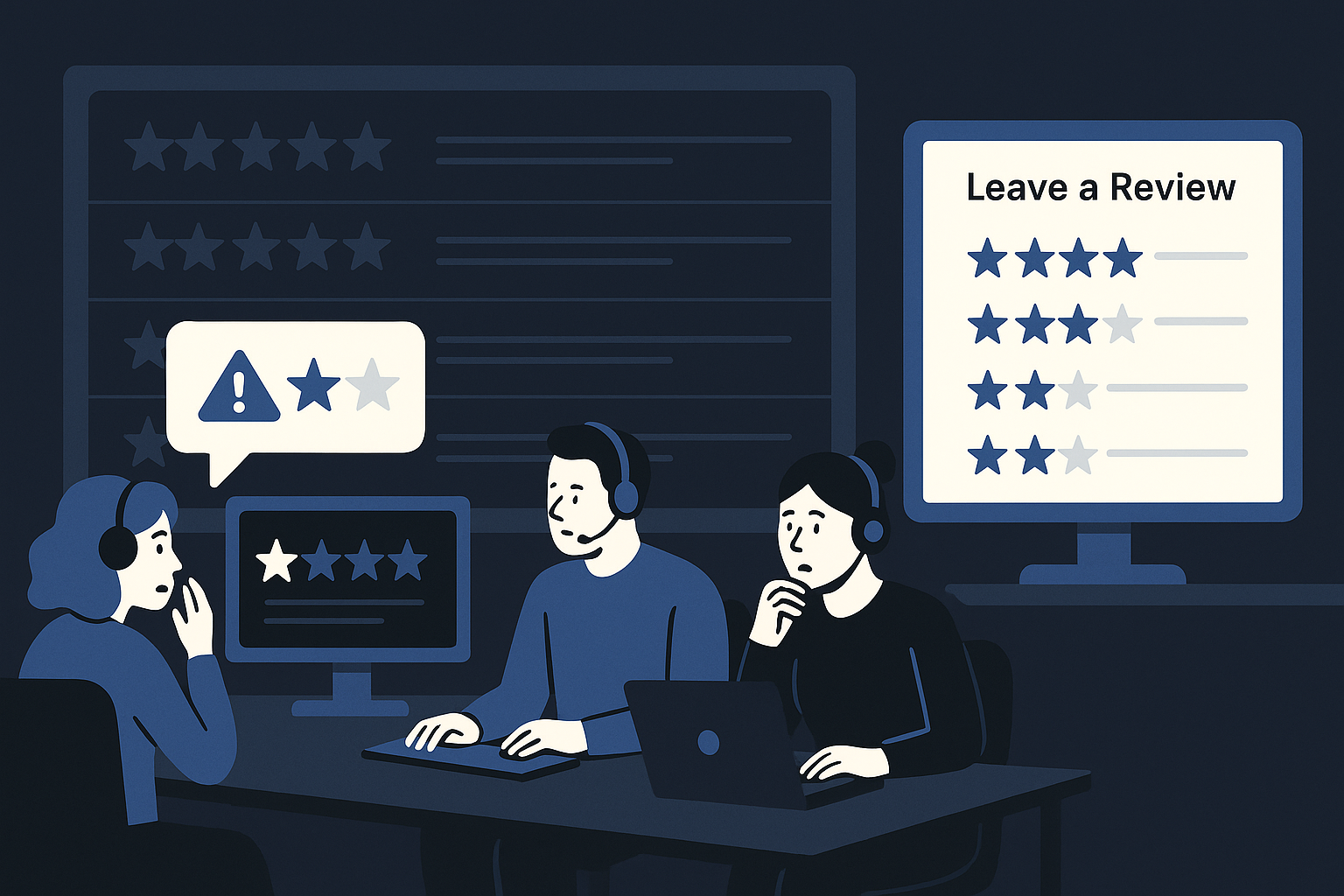
Imagine your team just received a 2-star rating from a recent customer survey. Rather than stress over filtering who gets to leave feedback, you want a system that lets every respondent voice their opinion publicly while alerting you immediately to any low scores so you can act fast. This approach aligns with best practices and compliance guidelines, and it’s exactly how you can handle such situations using AItocha Surveys.
Why Inviting All Customers to Review Matters
Filtering out customers based on their satisfaction score might seem tempting to avoid negative reviews, but it’s actually against Google’s policies and FTC guidelines. Inviting every respondent to leave a public review ensures transparency and trustworthiness. Moreover, customers who had positive experiences are more likely to respond, naturally leading to a majority of high ratings without any artificial gating.
This open invitation approach not only complies with rules but also builds credibility with your audience. When customers see a mix of ratings, they tend to trust that reviews are genuine and unbiased. Hence, your review collection process should focus on inclusivity rather than exclusion.
For example, imagine a restaurant that invites every diner to leave a review regardless of their experience. While some may express dissatisfaction, the majority who enjoyed their meal will provide positive feedback. This natural distribution helps future customers make informed decisions and maintains the restaurant’s authenticity in review platforms.
Another common misconception is that filtering out negative reviewers will protect a brand’s reputation. However, when consumers detect that only positive feedback is solicited, their trust often diminishes, which can harm long-term brand loyalty more than the occasional 2-star review.
Using Real-Time Alerts to Manage Low Ratings Internally
AItocha Surveys provides low-rating alerts in real time, enabling your team to respond swiftly to any customer dissatisfaction signaled by a 2-star review. This proactive notification system means you can address issues internally before they escalate, maintaining your reputation without limiting who receives a review request.
For example, imagine a support team juggling multiple feedback channels; having instant alerts about low scores allows them to prioritize follow-ups effectively. These alerts act as a prompt for internal action, not a gatekeeper for review invitations.
In practice, this might look like a customer service manager receiving an immediate notification about a negative survey response. They can then assign a team member to reach out promptly to understand and resolve the issue, turning a potentially harmful review into an opportunity for recovery and learning.
Timeliness is crucial here: the sooner your team acts on a low-rating alert, the greater the chance of mitigating customer dissatisfaction. Late responses risk public complaints or negative reviews spreading unchecked, which can affect your overall ratings and brand perception.
Maintaining Transparency While Protecting Your Brand
By allowing every survey participant to leave a public review regardless of their score, you demonstrate confidence in your service and respect for honest feedback. At the same time, internal low-rating alerts empower your team to investigate and resolve problems quickly without hiding negative input from your audience.
This balance between openness and responsiveness helps cultivate a strong relationship with your customers. They see their voice matters publicly, while you get the chance to improve their experience privately before dissatisfaction spreads.
A common mistake businesses make is trying to suppress negative reviews by restricting who can leave feedback, which can backfire by eroding trust. Instead, embracing transparency while demonstrating your commitment to addressing concerns internally shows prospects and existing customers that you value their opinions and take issues seriously.
Additionally, responding publicly where appropriate—such as acknowledging a customer’s concerns and demonstrating steps taken to improve—can enhance your brand’s credibility. It shows a willingness to engage openly, which customers and prospects increasingly expect in today’s market.
How to Set Up AItocha Surveys for Effective Review Management
Getting started with AItocha Surveys is straightforward. Configure your survey to invite every customer to leave a review and enable low-rating alerts so your team receives immediate notifications about any 1- or 2-star responses. This setup ensures you comply with review platform policies while maintaining a proactive approach to customer satisfaction.
The setup involves customizing your survey templates to include clear opt-in options for public reviews, ensuring no respondent is filtered out based on their rating. Simultaneously, the system’s real-time alert feature can be connected to your team’s communication tools so that notifications about low scores don’t slip through the cracks.
By routinely monitoring these alerts, your team can organize timely callbacks or service recoveries, demonstrating that you listen and care about all feedback. This process also creates a feedback loop that helps improve your products or services based on direct customer input.
Don't overlook training your staff on how to respond effectively to low-rating alerts. Clear protocols and empathy-driven communication can turn a dissatisfied customer into a loyal advocate. This human touch complements the technical setup and strengthens your overall review management.
The Benefits of an Inclusive, Alert-Driven Feedback Strategy
This approach offers several advantages:
- Compliance with Google and FTC policies by inviting all customers to review
- Building trust through transparent, unfiltered public feedback
- Quick internal response to low ratings via real-time alerts
- Improved customer relationships by resolving issues before they escalate
- Sustained brand reputation without sacrificing honesty
By embracing an inclusive feedback strategy and leveraging automated low-rating alerts, your team can consistently provide excellent customer experiences. You show that every opinion counts and that you actively work to resolve issues, which can ultimately lead to higher customer loyalty and better public perception.
This method reduces the temptation to filter reviews artificially, which can lead to regulatory risks and consumer distrust. Instead, you create an honest, transparent feedback environment that supports continuous improvement and accountability.
Over time, this transparent and responsive approach can improve your overall review ratings as customers notice your commitment to quality and service. It also equips your team with valuable insights to refine operations and better meet customer expectations.