Emoji-Scale Surveys: When Simpler Questions Yield Better Responses
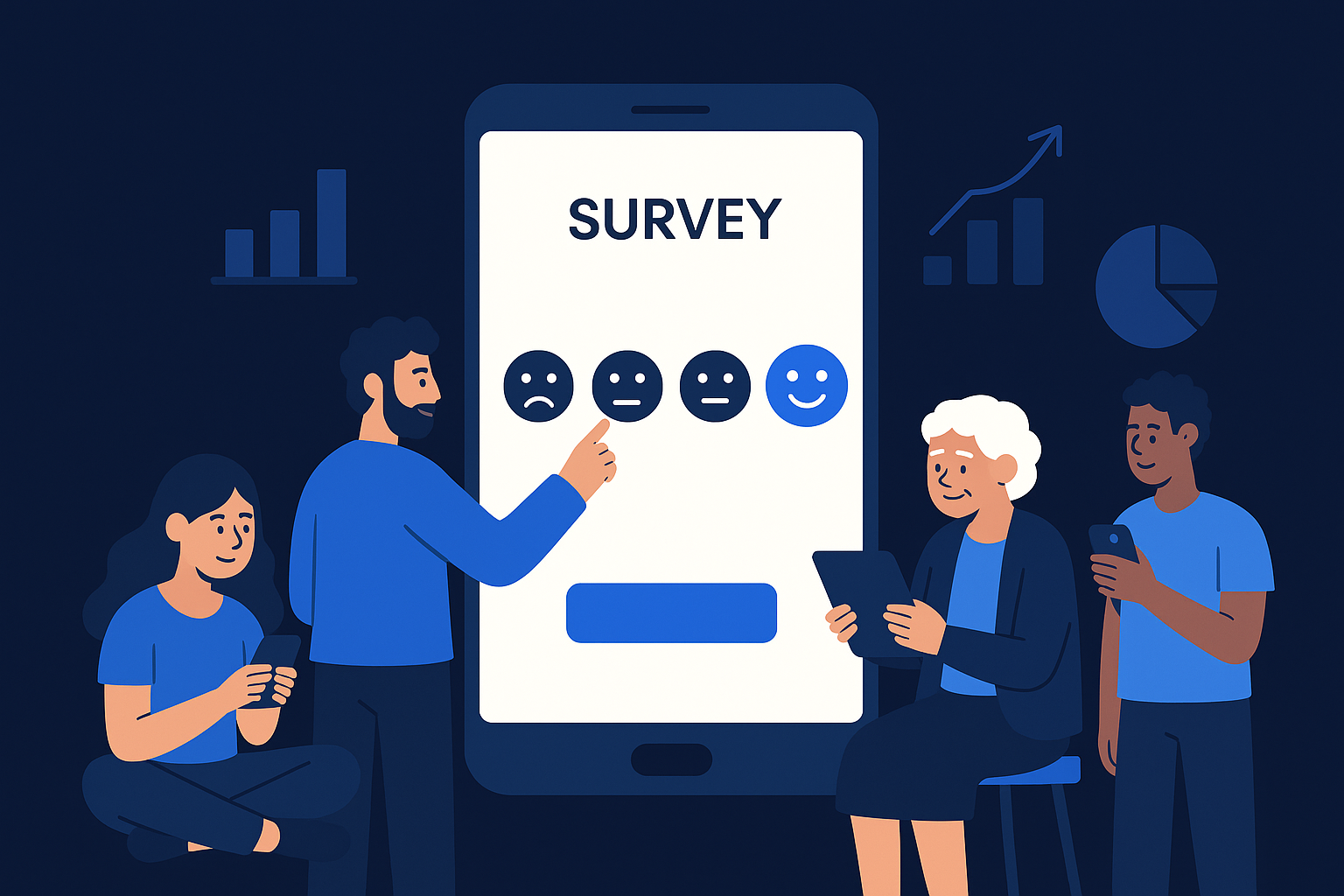
Imagine sending a survey to your customers after a service interaction, but instead of a long list of questions, they just tap an emoji that represents their mood. This method, known as emoji-scale surveys, uses simple visuals to capture feedback quickly. By reducing complexity, this survey type can encourage more customers to respond, giving you a better pulse on their experience without overwhelming them.
Why Simplicity Matters in Feedback Collection
When customers receive surveys, their willingness to engage often hinges on how easy and quick the process feels. Traditional surveys with multiple-choice questions or numerical scales may deter busy respondents. Emoji-scale surveys, by contrast, present fewer options and rely on universally understood facial expressions, making the experience more approachable. This simplicity lowers the barrier to participation, often resulting in higher response rates and more reliable data.
Moreover, interpreting emoji responses is intuitive. A smiling face typically indicates satisfaction, while a frowning face signals dissatisfaction. This clarity helps your team quickly categorize feedback without the need for complex analysis. Because emoji scales are visual and emotionally resonant, they can capture nuances of customer sentiment that numeric scales might miss.
In practice, you might notice that customers who skip longer surveys are more likely to complete emoji-scale questions. For example, a retail business could see a boost in feedback volume simply by replacing a 10-question survey with a single emoji-scale question about the shopping experience. This not only saves time for your customers but also reduces survey fatigue, which is a common pitfall in feedback collection.
The Practical Advantages of Emoji-Scale Surveys
Implementing emoji-scale surveys through tools like AItocha Surveys allows your team to design and deploy engaging feedback requests with minimal effort. These surveys are mobile-friendly, essential when many customers use smartphones to interact with brands. The quick nature of emoji ratings means customers are more likely to complete the survey before moving on, increasing the volume of feedback you receive.
Additionally, the automatic rating-based scoring provided by AItocha Surveys groups responses by sentiment, streamlining your review process. This approach helps you monitor overall satisfaction trends at a glance and identify areas needing attention without sifting through lengthy written comments. Simple questions combined with easy scoring keep your feedback workflow efficient and actionable.
Consider a hospitality business that wants to gauge guest satisfaction immediately after checkout. Using an emoji-scale survey, guests can quickly communicate their mood with one tap, making the process feel less intrusive and more engaging. This immediate, easily digestible feedback can then be acted upon swiftly, improving the guest experience in real time.
When to Use Emoji-Scale Surveys for Best Results
Emoji-scale surveys work best in scenarios where you want quick, high-level feedback rather than detailed insights. For example, after a customer support interaction or a purchase, a brief emoji rating can capture immediate sentiment without fatigue. If your goal is to track general satisfaction trends or identify shifts in customer mood, this survey type fits perfectly.
However, for in-depth feedback or to explore complex opinions, you might supplement emoji scales with follow-up open-ended questions or other survey types. This combination ensures you capture both the ease of quick responses and the richness of detailed commentary when needed.
A common mistake is relying solely on emoji scales for all feedback needs. While they excel at simplicity and speed, they lack the depth to uncover root causes behind dissatisfaction. To avoid this, use emoji-scale surveys as a first step, then invite respondents who select negative or neutral emojis to provide more detailed comments or participate in a longer survey. This two-tiered approach balances quantity with quality of feedback.
Crafting Effective Emoji-Scale Questions
To maximize response rates and data quality with emoji-scale surveys, keep your questions clear and focused. Use straightforward language that directs customers to consider a specific aspect of their experience, such as "How did you feel about the service today?" accompanied by a range of emojis from unhappy to happy faces.
Avoid overcomplicating options—too many emojis can confuse respondents or dilute the clarity of sentiment. Typically, a five-point emoji scale balances nuance with simplicity. Testing your survey on a small group before wide distribution can help you refine question wording and emoji choices for the best effect.
For instance, a software company might ask users to rate ease of use with emojis representing frustration to delight. If too many emojis are offered, users may hesitate or interpret them differently, skewing results. Keeping the scale simple ensures everyone understands the options similarly, improving the reliability of your data.
Analyzing and Acting on Emoji-Scale Feedback
Once your emoji-scale surveys are live, make sure to regularly review the automatic rating-based summaries AItocha Surveys provides. Tracking shifts in the proportion of positive versus negative emoji responses can help you identify trends and potential issues early. Promptly addressing negative feedback by following up with those customers can improve satisfaction and retention.
In practice, imagine a restaurant noticing a sudden increase in negative emoji responses after a menu change. This insight enables managers to investigate and adjust offerings quickly. Without the simplicity and immediacy of emoji-scale feedback, such issues might go unnoticed until formal complaints or social media posts arise.
By incorporating emoji-scale surveys into your feedback strategy, you embrace a method that respects your customers' time while delivering actionable insights. This approach helps you build a clearer understanding of customer sentiment, supporting continuous improvement without overwhelming your audience or your team.