Decoding "Patent-Pending" in AItocha Photos: What It Means and Why It Matters
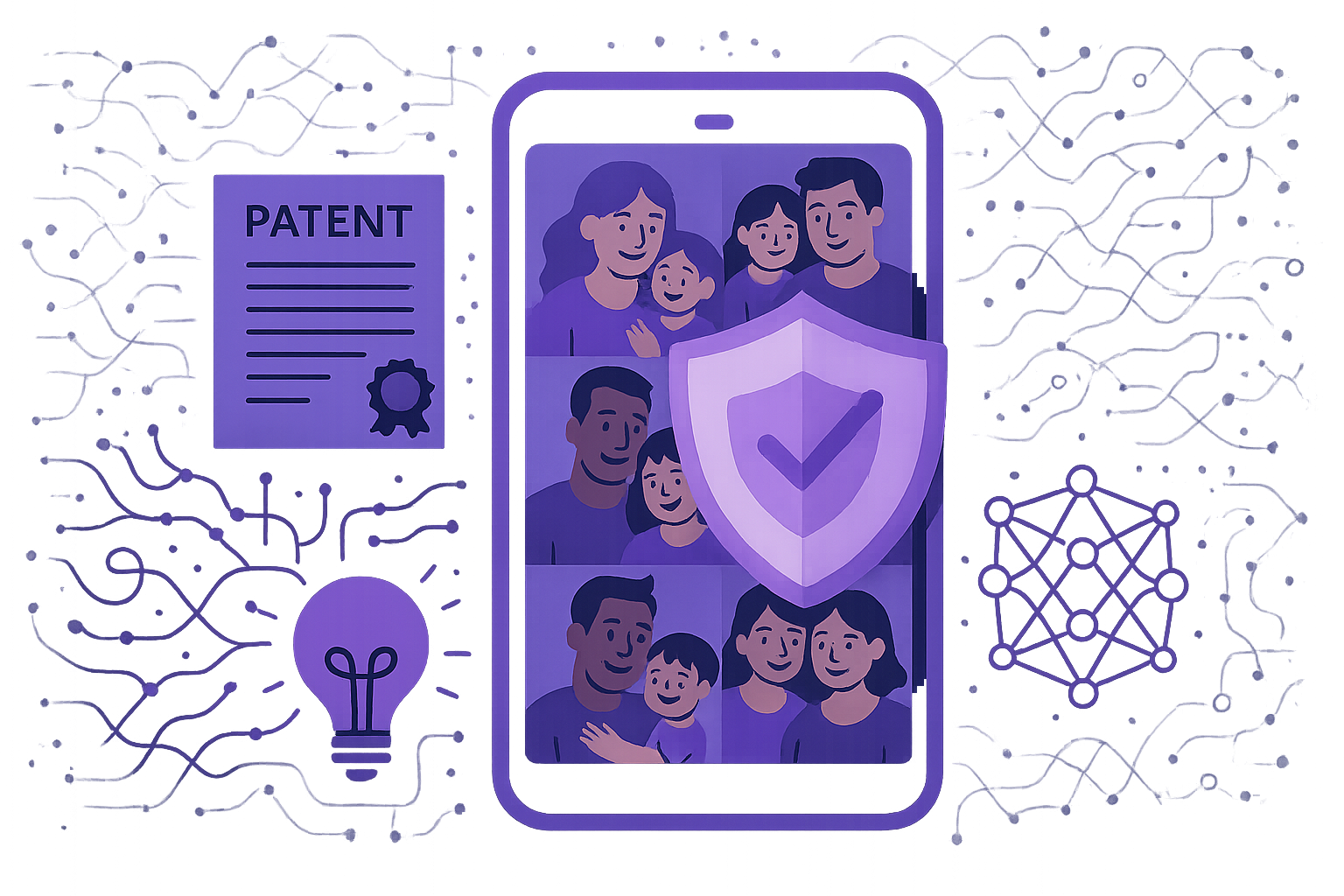
Imagine entrusting your family memories to a photo tool that not only crafts stunning images but also prioritizes safety at its core. When you hear the term "patent-pending" associated with AItocha Photos, it signals more than just a legal formality—it reflects a significant step in protecting users through innovative technology. This article explores what "patent-pending" means in the context of AItocha Photos and why it matters for anyone using or developing AI-powered image tools.
What Does "Patent-Pending" Actually Mean?
The designation "patent-pending" indicates that AItocha Photos has submitted a patent application for a specific technology or process—in this case, a child-safety system (U.S. App. No. 63/924,236). This status means the application is under review by the patent office but has not yet been granted or rejected. While the patent is pending, the company has certain provisional protections and notifies others that the technology is subject to future exclusive rights pending approval. It's a crucial legal stage that stops competitors from copying the technology outright during the review period.
For users, seeing "patent-pending" attached to AItocha Photos signals that the company is investing in unique, proprietary technology rather than using generic or widely available methods. This can increase confidence that the product incorporates innovative features designed to address specific challenges, such as child safety in AI-generated images.
To put it simply, while the patent office is examining the application, the company holds a kind of placeholder that warns others not to infringe on the invention. This means if someone tried to copy the child-safety system before the patent is granted, AItocha could later enforce legal rights based on the pending application. This provisional status also allows the company to publicly promote the uniqueness of their technology, distinguishing their offering in a competitive market.
Why the Child-Safety System Matters in AI Photo Tools
AItocha Photos includes a patent-pending child-safety system, which aims to protect minors' privacy and prevent misuse of AI-generated images involving children. In a field where photos can be manipulated or generated without direct consent, having such a safety system represents an important ethical and practical advancement. By integrating this technology, AItocha Photos helps ensure that generated images comply with privacy standards and reduce risks related to sensitive content.
For instance, imagine a parent wanting to create AI-generated family portraits without risking the exposure of their children's identities or unauthorized use. The child-safety system can help by implementing safeguards that detect and limit certain manipulations or outputs involving minors. This reduces the chances of children’s images being used inappropriately or appearing in contexts the user didn't intend, a growing concern in AI media generation.
This technology is especially relevant for families, educators, and content creators who want to use AI photo tools responsibly. Knowing that a patented system is in place to safeguard children adds a layer of trust and accountability that many AI tools lack. It also potentially sets a benchmark for others in the industry to follow, pushing AI companies toward better protections and ethical standards.
How Patent-Pending Status Benefits You as a User
When a company files a patent for a feature like the child-safety system, it often means they've developed a novel method or technology not found elsewhere. For you, this means AItocha Photos is leveraging unique solutions carefully designed to meet specific needs. This can translate into better performance, enhanced safety, or more thoughtful product design compared to tools without such protections.
Consider a scenario where your team uses AItocha Photos for school projects or community events involving children. The patent-pending safety system adds reassurance that the images created respect privacy and follow ethical guidelines embedded at the technical level. This can save you from potential legal or reputational risks and enable more confident use of AI-generated photos in sensitive contexts.
Additionally, the patent-pending status signals a commitment to ongoing innovation. Your feedback and usage might influence further product improvements protected under this patent, fostering a collaborative environment where your concerns about safety and quality matter. It also reduces the risk of sudden feature discontinuation since patented technology often becomes a core part of a product's value proposition, aiming for long-term stability and support.
Navigating Legal and Competitive Advantages of Patent-Pending Innovations
From a legal standpoint, patent-pending status can deter competitors from copying the child-safety system while the patent application is active. This helps AItocha maintain a competitive edge by safeguarding its innovative approach. For users, this can mean continued access to features that are difficult to find in other photo tools, enhancing your experience and trust in the product.
Moreover, patent applications are publicly accessible, allowing you to explore how this child-safety system works in principle. This transparency can provide insight into the underlying technology and the company's dedication to responsible AI development. Understanding these protections also helps you appreciate the effort behind making AItocha Photos a secure tool for sensitive content involving children.
On the flip side, some users worry that patent-pending status might slow down updates or lock the company into certain technological paths. However, the patent process often encourages refinement and improvement, and companies typically continue innovating beyond the scope of any single patent. For you, this means a balance between protected innovation and ongoing product evolution.
What You Should Know Moving Forward with AItocha Photos
As AItocha Photos continues to evolve, the patent-pending child-safety system is a signal that the company prioritizes both innovation and user protection. If you're considering adopting this tool for personal or professional use, knowing about this pending patent helps you understand the unique value and safeguards built into the product.
- Patent-pending status is a formal step toward protecting new technology, signaling innovation in progress.
- Child-safety systems in AI tools address critical privacy and ethical concerns for minors.
- Users benefit from enhanced trust and unique features not easily replicated by competitors.
- Patent-pending protections encourage ongoing development and product stability.
- Understanding patent status helps you make informed choices about the tools you use.
For example, if you work with sensitive or family-related content, the existence of a patent-pending safety system may influence your choice toward AItocha Photos over other tools lacking such safeguards. It demonstrates a responsible approach to creating AI-generated images that respects privacy and ethical considerations. To learn more about these features, visit the Photos product page for detailed information and updates.