Connecting Support Conversations to Revenue with Campaign and Conversion Tracking
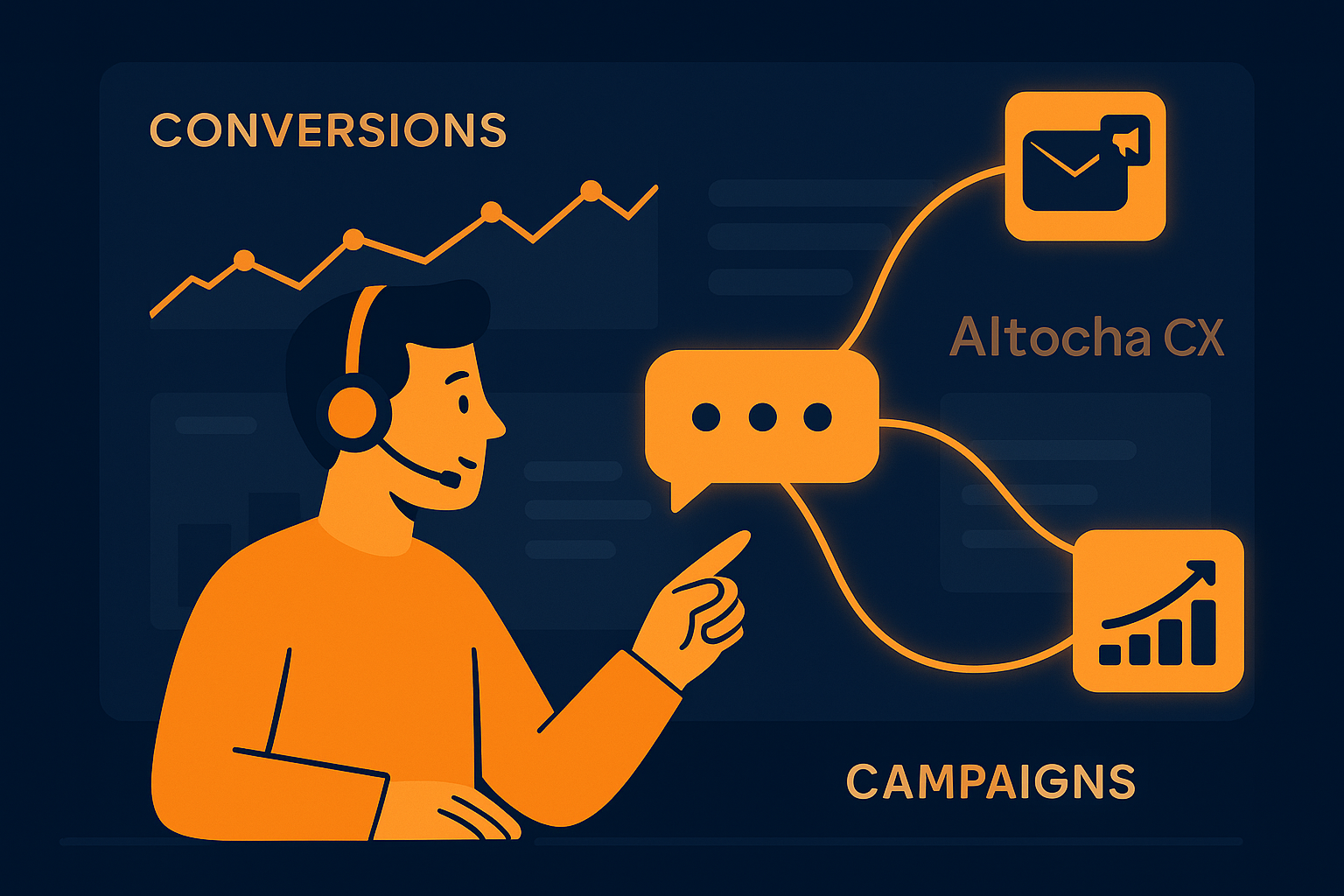
Imagine a scenario where every customer support conversation your team handles directly contributes to tracking revenue impact. Many organizations struggle to connect the dots between support dialogues and sales outcomes, leaving valuable opportunities unmeasured. By leveraging campaign and conversion tracking, you can bridge this gap, turning routine support interactions into actionable insights that feed into your revenue pipeline.
Understanding the Role of Campaign Tracking in Support Conversations
Campaign tracking traditionally belongs to marketing departments, focusing on measuring the success of campaigns like email blasts or social media ads. However, support conversations often originate from those very campaigns, making them a crucial touchpoint in the customer journey. Integrating campaign tracking into your support tools allows you to identify which marketing efforts generate inbound support requests and how they influence customer behavior.
This integration means your support team can see campaign tags or identifiers within the conversation thread, providing context on the customer’s path. This insight helps agents tailor their responses and identify upsell or cross-sell opportunities based on the campaign that brought the customer in. Additionally, campaign tracking data empowers your analytics to attribute revenue more accurately to combined marketing and support efforts, giving a fuller picture of your return on investment.
For instance, if a customer clicks a promotional email link and then contacts support with questions, the agent immediately knows which promotion they’re referring to. This avoids confusion and reduces the back-and-forth needed to clarify the customer's context, speeding up resolution times and enhancing the customer experience.
How Conversion Tracking Links Support Interactions to Revenue Outcomes
Conversion tracking goes a step further by connecting specific actions within support conversations to defined business outcomes, such as purchases, subscriptions, or upgrades. When you have conversion tracking enabled, every support ticket or chat can be analyzed for its contribution to these key events. This enables your team to not just resolve issues, but also understand which interactions actually move the needle on revenue.
For example, if a customer reaches out with questions about a product featured in a campaign and then completes a purchase, conversion tracking helps link that purchase back to the support interaction involved. This clarity encourages support agents to engage proactively with customers, knowing their efforts can directly influence sales. It also provides leadership with trustworthy data to optimize resource allocation between marketing and support functions.
A common issue is when conversions happen days after the conversation. Conversion tracking tools integrated with AItocha CX allow you to attribute these delayed conversions accurately, so your support team’s contributions over time aren’t lost in the data shuffle. This long-term visibility can transform how your organization values and invests in customer support.
Practical Steps to Implement Campaign and Conversion Tracking with AItocha CX
Setting up campaign and conversion tracking in your support workflow involves integrating identifiers from your marketing campaigns into the AItocha CX platform. This typically means passing campaign parameters through URLs or forms that customers use to initiate contact. AItocha CX then captures these parameters alongside the support conversation, making them accessible to agents and analytics tools.
To connect conversions, you define what actions count as valuable outcomes for your business and configure AItocha CX to track those events when they happen post-interaction. This might include purchases linked via tracked customer profiles or subscription upgrades triggered after a support chat. The platform then correlates these conversions with prior campaign tags, providing a clear revenue picture tied directly to support efforts.
In practice, this might look like setting up URL parameters such as UTM tags in your marketing links that customers click before initiating support chats. The AItocha CX system automatically reads these tags and attaches them to the conversation metadata. From there, when a conversion event is recorded in your e-commerce or CRM system, the platform matches it back to the conversation and campaign, closing the loop on revenue attribution.
Benefits of Linking Support to Revenue Through Tracking
When you connect support conversations to revenue via campaign and conversion tracking, your team gains multiple advantages. First, it breaks down silos between marketing and support, fostering collaboration based on shared data. Second, it motivates support agents by showing them how their work impacts the bottom line beyond just solving tickets.
- Improved attribution accuracy for marketing spend
- Enhanced agent performance through measurable impact
- Better customer insights driving personalized support
- Data-driven decisions for resource allocation
- Increased revenue opportunities from support touchpoints
Another benefit is the ability to identify which marketing campaigns drive not only interest but also meaningful customer engagement via support. You can analyze which campaigns trigger support inquiries that result in higher conversion rates, allowing you to refine campaign messaging or target audiences more effectively. Additionally, recognizing support moments as revenue drivers helps prioritize training and resource investment in your support team.
Ultimately, this integrated approach transforms support from a cost center into a revenue-influencing function, aligning your entire organization toward shared business goals and customer success.
Measuring Success and Optimizing Your Strategy Over Time
After implementing campaign and conversion tracking with AItocha CX, it’s essential to continuously monitor your data to identify trends and areas for improvement. Look for patterns in which campaigns generate the most support inquiries that convert, and analyze agent interactions that lead to higher conversion rates. This feedback loop enables you to optimize both marketing campaigns and support responses in tandem.
Also, as your team grows comfortable with the data, you can experiment with proactive messaging triggered by campaign insights, further enhancing your ability to engage customers effectively. Remember, the goal is to create a connected ecosystem where marketing and support inform each other, maximizing the value delivered to customers and your business alike. For more on how to get started, explore the AItocha CX platform features.
A key measurement to track is the conversion rate of support-initiated interactions linked to campaigns. Monitoring this over time reveals whether your support team is effectively leveraging campaign context to drive sales. If the conversion rate dips, consider revisiting agent training or campaign messaging for alignment. Conversely, a rising conversion rate validates your integrated approach and helps justify further investment in these tools and processes.