A Practical Look at AI Voice Support: What It Can and Can’t Do
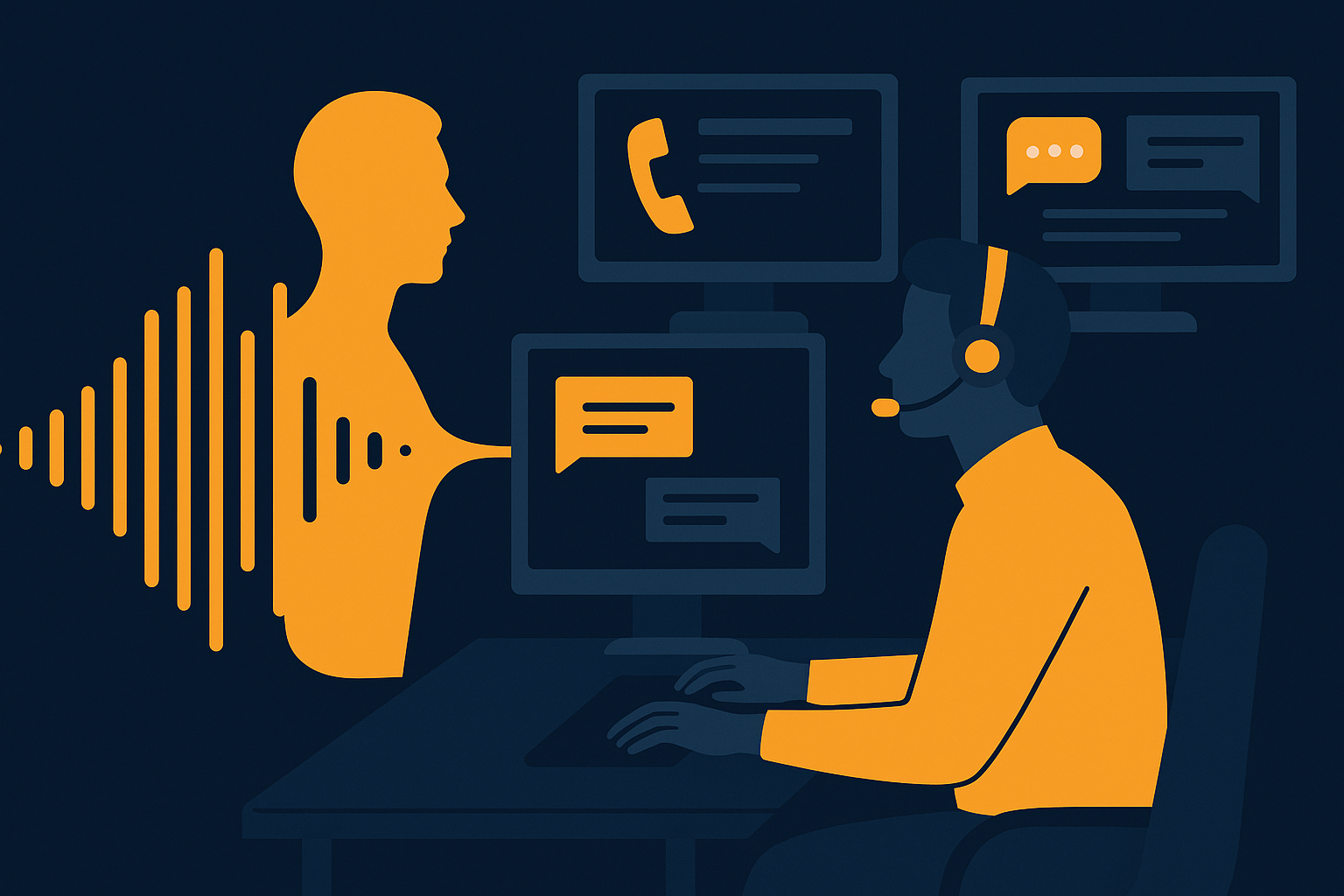
Imagine a scenario where a customer calls a support line and is immediately greeted by an AI voice system. The system understands basic inquiries but quickly transfers to a live agent when the issue becomes complex. This blend of automation and human touch is increasingly common, yet it raises questions about what AI voice support can truly handle on its own and when human intervention becomes necessary. Understanding these nuances can help your support team leverage AI effectively without overpromising its capabilities.
How AI Voice Support Handles Routine Interactions
AI voice support excels at handling straightforward, repetitive tasks that don’t require deep human judgment. These include answering common questions like store hours, account balances, or order statuses. By automating these interactions, your team can reduce wait times and free up human agents to focus on more complex problems.
The technology behind AI voice systems involves natural language processing and speech recognition, allowing them to understand and respond to customer queries in real time. They can provide consistent answers and are available 24/7, which improves accessibility for your customers. However, their effectiveness depends heavily on the quality of training data and the sophistication of the underlying AI.
The Critical Role of Live Agent Handoff
No matter how advanced AI voice systems become, there are scenarios where they cannot adequately resolve customer issues. This is where live agent handoff is essential. When the AI detects uncertainty or a request that falls outside its programmed capabilities, it transfers the interaction to a human agent.
Live handoff ensures customers don’t get stuck in frustrating loops and receive personalized assistance when needed. It also helps maintain customer satisfaction by acknowledging the limitations of AI and providing a clear path to human support. Platforms like AItocha CX incorporate this functionality to balance automation with human empathy effectively.
Limitations of AI Voice Support You Should Know
Despite its advantages, AI voice support has inherent limitations. It struggles with understanding nuanced emotions, sarcasm, or highly complex queries that require contextual judgment. Accents, background noise, or unusual speech patterns can also lead to misinterpretations, causing frustration for customers.
Furthermore, AI voice systems may not handle multi-turn conversations with intricate logic or rapidly changing topics as well as a skilled human agent. Over-relying on AI without a robust fallback to live agents can degrade customer experience, so it’s important to set realistic expectations for what the technology can achieve.
Implementing AI Voice Support: Best Practices for Your Team
To make the most of AI voice support, start by identifying the most common and simple queries that your support team handles. Automate these with the AI system to reduce workload and improve response speed. Always configure the system to recognize when to escalate calls to human agents promptly.
Training your AI with accurate, up-to-date data is crucial to maintaining its effectiveness. Regularly review call transcripts and customer feedback to identify gaps in AI understanding and make necessary adjustments. Be transparent with customers about when they are interacting with AI and how to reach a live person if needed.
Balancing Automation and Human Touch with AItocha CX
The key to a successful AI voice support strategy lies in balancing automation efficiency with the empathy and judgment of human agents. Using a platform like AItocha CX, you can set up AI voice interactions that handle routine tasks while ensuring smooth live agent handoffs when complexity arises. This approach respects the strengths and limits of AI, providing your customers with reliable and responsive support.
By thoughtfully implementing AI voice support and live agent handoff, you can enhance your customer service capabilities without compromising quality. Remember, AI is a tool to assist your team, not replace it, and recognizing its boundaries will lead to better outcomes for your customers and your support staff alike.